

True Nightmare Roadside Сafe
Advertisement
True Nightmare Roadside Cafe is a slow-paced psychological horror game where players take on the role of Mary, a teenager working overnight shifts at a remote diner. At first glance, the game appears to simulate the monotony of night work—flipping lights, preparing meals, wiping down tables. But beneath the surface, something is wrong. Each night feels familiar yet distorted. Customers start acting strangely, objects don’t stay where they were left, and time seems to stretch in unnatural ways. The game doesn’t explain much, leaving players to piece together the situation through what they see, hear, and feel.
Advertisement










Similiar games


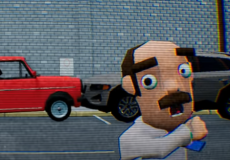




True Nightmare Roadside Cafe is a slow-paced psychological horror game where players take on the role of Mary, a teenager working overnight shifts at a remote diner. At first glance, the game appears to simulate the monotony of night work—flipping lights, preparing meals, wiping down tables. But beneath the surface, something is wrong. Each night feels familiar yet distorted. Customers start acting strangely, objects don’t stay where they were left, and time seems to stretch in unnatural ways. The game doesn’t explain much, leaving players to piece together the situation through what they see, hear, and feel.
Routine That Unravels
Each shift begins the same way: open the café, turn on the lights, prepare stations, and wait for the first customer. As the hours pass, players complete simple tasks—making coffee, frying food, washing up—but each night introduces subtle variations. One night a customer might ask a question that doesn’t make sense. On another, the same song plays on repeat, slightly slower than usual. Eventually, things that shouldn’t happen start to happen—voices over a dead radio, lights that won’t stay off, and figures glimpsed outside that disappear when approached.
Gameplay and Interaction
The gameplay centers on quiet tasks, strange encounters, and environmental changes. Players are not given missions in the traditional sense but are free to complete duties and respond to events as they see fit. Core elements include:
· Performing daily routines in a changing environment
· Interacting with customers through limited dialogue options
· Exploring areas inside and outside the café
· Observing environmental details that change over time
· Interpreting unexplained phenomena without direct explanation
There is no inventory, no combat, and no way to “win.” The horror emerges from the gradual breakdown of normalcy and the growing sense that something is watching from beyond the lights.
Visuals, Sound, and Immersion
The game’s lo-fi visual style mimics VHS recordings, adding a layer of distortion to every scene. The café feels static and artificial, but with just enough realism to unsettle. Sound is minimal—just the hum of appliances, the clang of utensils, and the occasional customer interaction. When those sounds shift—when the air goes silent, or something knocks where it shouldn’t—the tension spikes. The game never tells the player they’re in danger, but it constantly makes them wonder if they are.
Themes and Experience
True Nightmare Roadside Cafe plays with ideas of repetition, isolation, and the quiet horror of uncertainty. Mary is alone every night, surrounded by familiar tasks that no longer feel safe. There are no jumpscares, only slow changes that build pressure over time. The game invites players to notice the details, to question what’s happening, and to follow threads that may or may not lead to answers.
Discuss True Nightmare Roadside Сafe

