

Forgotten At Fredbear’s
Advertisement
Forgotten At Fredbear’s brings players back to the crumbling remains of a once-celebrated family diner. The building is still standing, but it’s clear no one was supposed to return. You take on the role of a man trying to earn a living, unaware of the history tied to the floor beneath his feet and the eyes hidden in the dark. From the very first night, nothing feels welcoming. The walls seem to lean in when you’re not looking. The silence stretches too long. And then, when it finally breaks—it’s already too late to run.
Advertisement










Similiar games
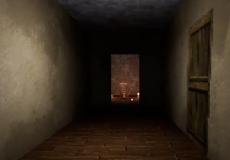





Forgotten At Fredbear’s brings players back to the crumbling remains of a once-celebrated family diner. The building is still standing, but it’s clear no one was supposed to return. You take on the role of a man trying to earn a living, unaware of the history tied to the floor beneath his feet and the eyes hidden in the dark. From the very first night, nothing feels welcoming. The walls seem to lean in when you’re not looking. The silence stretches too long. And then, when it finally breaks—it’s already too late to run.
A Shift That’s More Than Survival
Each night, you sit alone in a security office with nothing but aging monitors and flickering controls to help you. The system allows you to track movement, manage doors, and activate distractions, but the tools are slow, and the threats are fast. Animatronics, once mascots for children, now patrol the halls with something else driving them. Some move with purpose. Others stop just short of your door, as if testing whether you’ve figured out their pattern. But every night, something changes—behavior shifts, sounds appear where they shouldn’t, and your confidence from the previous shift fades into doubt.
Core Elements That Build the Game’s Tension
· Real-time security management across multiple zones
· Defensive tools like door controls, sound systems, and manual overrides
· Gradually introduced animatronics with unique patterns
· Story cutscenes and environmental lore scattered across nights
· Secrets accessible through optional exploration and replay
These systems force you to stay focused and constantly adapt.
A Story That Refuses to Stay Hidden
As the shifts continue, pieces of a long-buried past start surfacing. There are references to early incidents, names scratched into walls, and audio tapes that hint at something deeply wrong with how the diner operated. Forgotten At Fredbear’s doesn’t reveal everything at once. It lets the dread build slowly—one recorded voice, one static-filled message, one animatronic behaving just a little too human. What begins as a survival job quickly turns into a search for understanding. Who built these machines? Why were they left active? And what exactly happened the night everything changed?
Night After Night, the Diner Remembers You
Forgotten At Fredbear’s uses its limited space to create a heavy, suffocating atmosphere where every new shift feels like entering a place that’s learning from your presence. The more you push forward, the more the game reacts to your behavior. Patterns adjust. Events unfold differently. What once felt manageable becomes overwhelming as the diner itself seems to respond— to your decisions, and to your curiosity. There is no guarantee of escape. Only the promise that if you keep going, you might finally uncover what Fredbear’s has been trying so hard to forget.
Discuss Forgotten At Fredbear’s

