

Silent Residence
Advertisement
Silent Residence is a short psychological game where the player experiences a distorted reality through the eyes of a man named Harry. The entire story takes place within an apartment complex, where the ordinary environment gradually shifts into something harder to understand. The gameplay doesn’t rely on traditional goals or clear objectives—instead, it encourages observation and persistence. As the player walks through hallways and rooms, events unfold that blur the line between memory and hallucination. There is no escape to a different location; the journey takes place entirely inside what should be familiar.
Advertisement










Similiar games
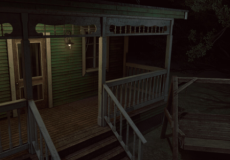

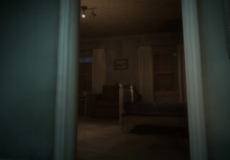




Silent Residence is a short psychological game where the player experiences a distorted reality through the eyes of a man named Harry. The entire story takes place within an apartment complex, where the ordinary environment gradually shifts into something harder to understand. The gameplay doesn’t rely on traditional goals or clear objectives—instead, it encourages observation and persistence. As the player walks through hallways and rooms, events unfold that blur the line between memory and hallucination. There is no escape to a different location; the journey takes place entirely inside what should be familiar.
Mechanics and environmental focus
The game uses a first-person perspective to build a close connection between the player and the world around them. Movement is limited to walking and looking, with no combat or inventory management. Interactions are subtle and often involve talking to neighbors or noticing changes in the surroundings. Doors may lead to unexpected places, and dialogue doesn’t always make sense. These small details slowly create doubt. The apartment feels realistic at first but becomes unpredictable over time, as if the building itself is responding to the character’s state of mind.
Mental state and visual distortion
The core idea of Silent Residence centers on the breakdown of perception. The main character is affected by schizophrenia, and the gameplay reflects this by introducing events that may or may not be real. Walls may shift shape, people appear where they shouldn’t, and sounds interrupt silence without warning. The environment remains grounded in realism, but its consistency breaks as the game continues. Rather than using dramatic horror elements, the game creates discomfort through quiet instability and a lack of clear answers.
Key features of Silent Residence include:
· Short experience with a focused story
· First-person exploration in a single building
· Character-based tension through brief conversations
· Subtle use of visual and sound distortion
· Psychological themes with no supernatural elements
These elements work together to produce a slow, internal sense of fear.
Presentation and player reaction
Silent Residence runs on Windows and can be completed in under 30 minutes. It is available for free and has been received positively by players who appreciate its minimalist structure and emotional focus. While it does not include complex mechanics, the story unfolds through space, tone, and perspective. Players have noted the effectiveness of the design in portraying mental disorientation without overstatement.
Discuss Silent Residence

