

One Last Clip
Advertisement
One Last Clip is a psychological puzzle game set entirely inside a closed cinema where the player must rely on observation to move forward. The journey begins in a locked room with a board of instructions explaining that escape is only possible by judging film clips. Each clip may appear normal or contain a flaw, and the player must choose the correct exit accordingly. A single wrong choice resets progress, making accuracy and focus the foundation of the experience.
Advertisement












Similiar games
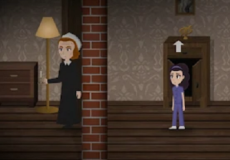

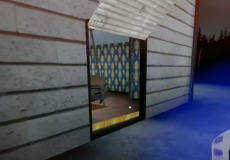







One Last Clip is a psychological puzzle game set entirely inside a closed cinema where the player must rely on observation to move forward. The journey begins in a locked room with a board of instructions explaining that escape is only possible by judging film clips. Each clip may appear normal or contain a flaw, and the player must choose the correct exit accordingly. A single wrong choice resets progress, making accuracy and focus the foundation of the experience.
Structure of play
The gameplay is built on repetition, with clips shown again and again until the difference becomes noticeable. After every viewing, two doors appear, one for “normal” and one for “flawed.” Correct answers push the player closer to the end, while mistakes return them to the beginning. This loop blends memory with perception, asking the player to look closely and to remember patterns over time. The result is a cycle that is simple to grasp but difficult to master.
Key elements of One Last Clip
The design emphasizes detail and atmosphere rather than complex controls.
- Continuous viewing of short clips for hidden flaws
- Choice-based exits that decide progress
- Reset system that punishes mistakes instantly
- A single cinema environment with unsettling changes
- Gradual rise in difficulty through subtle differences
Tension and immersion
Although the core mechanic is straightforward, the setting transforms it into a tense experience. The empty theater, dim lighting, and unexpected anomalies build unease, distracting the player from their task. Sounds, flickers, or shifts in the background create doubt, forcing concentration even when the environment feels hostile. Each step forward increases the psychological weight of decisions, as a wrong move means repeating the entire process.
Why it engages players
The appeal of One Last Clip lies in its focus on perception and consequence. Unlike traditional puzzle games, success depends on catching details that are easy to overlook and resisting distractions designed to break focus. The repetitive structure creates pressure, making even small decisions feel significant. For players who enjoy careful observation and mental challenge within a tense atmosphere, One Last Clip offers a unique and memorable test of patience and attention.
Discuss One Last Clip

