

Lihiman
Advertisement
Lihiman is a story-driven demo created by Kiwi Dreams that invites the player into an ordinary home filled with family life and quiet routine. At first glance, it feels calm and familiar: you move through a small house, talk to your sister, and spend moments with your parents. The rhythm is slow and gentle, letting you absorb the atmosphere of domestic stillness. Yet even in this simplicity, something feels uncertain — a silence that doesn’t quite fit, a sense that the walls are holding more than they show.
Advertisement












Similiar games

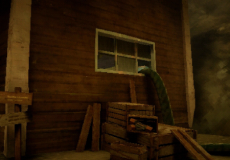

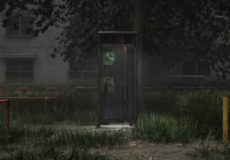
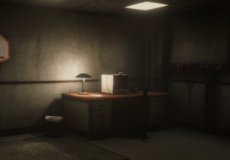



Lihiman is a story-driven demo created by Kiwi Dreams that invites the player into an ordinary home filled with family life and quiet routine. At first glance, it feels calm and familiar: you move through a small house, talk to your sister, and spend moments with your parents. The rhythm is slow and gentle, letting you absorb the atmosphere of domestic stillness. Yet even in this simplicity, something feels uncertain — a silence that doesn’t quite fit, a sense that the walls are holding more than they show.
The House and Its Stillness
The environment in Lihiman feels intentionally ordinary. Every room looks natural, every sound subdued. The furniture, the voices, even the lighting suggest safety and normal life. But as you spend more time there, that comfort begins to slip. A glitch in sound, a strange pause in dialogue, or a slightly distorted reflection hints that not everything in this home belongs to reality. The game uses these small disruptions to create tension without relying on direct fear.
How You Play
The gameplay is simple but immersive. You control your character from the first-person view and explore the house using a few basic controls:
- Move around using WASD
- Look around with the mouse
- Interact with objects using E
- Turn on the flashlight with F
Each interaction feels natural — you open doors, talk to your family, or observe small details that seem meaningless at first. Gradually, the normal routine begins to feel heavier, and the house that once looked peaceful starts to whisper unease through its corners.
Beneath the Surface
The deeper idea behind Lihiman is the exploration of what lies behind familiar faces. The name itself translates to “secrets,” and that theme defines the experience. The game slowly reveals that ordinary moments can hide unspoken truths. Conversations sound polite but carry tension. Objects seem placed with purpose. The quiet tone of the story becomes a vessel for something unspoken, letting the player sense the unseen rather than directly witnessing it.
Lihiman stands out not for its action, but for its restraint. It’s a short experience — about 15 to 20 minutes — yet it leaves a lasting impression by showing how fear can grow out of stillness and routine. It’s a story about family, memory, and the fragile balance between what we show and what we keep hidden. Behind its calm surface, the game asks a simple question: how well do you really know the people who live beside you?
Discuss Lihiman

