

Metal Undergrowth
Advertisement
Metal Undergrowth begins with a malfunction. A transport capsule crashes into a dense biome where vegetation and machinery coexist. The player takes control of an explorer trapped underground, surrounded by remnants of an ecosystem that has merged with metal structures. The environment is silent but full of motion—roots twist around cables, and fragments of old devices hum faintly. The goal is simple: repair the capsule and escape. Yet progress depends on interaction with the life forms that inhabit the ruins, each a mix of organic and mechanical design.
Advertisement













Similiar games





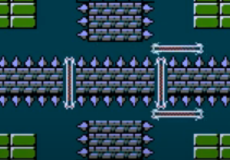




Metal Undergrowth begins with a malfunction. A transport capsule crashes into a dense biome where vegetation and machinery coexist. The player takes control of an explorer trapped underground, surrounded by remnants of an ecosystem that has merged with metal structures. The environment is silent but full of motion—roots twist around cables, and fragments of old devices hum faintly. The goal is simple: repair the capsule and escape. Yet progress depends on interaction with the life forms that inhabit the ruins, each a mix of organic and mechanical design.
The Cycle of Exploration
The game is structured around continuous exploration and gradual repair. Each section of the underground complex holds new organisms, materials, and hazards. The player must collect specific hybrid creatures or their components to rebuild the damaged capsule. Some resources are abundant, others guarded or hidden. The process is not linear; you can travel between zones, decide when to risk deeper descent, and determine which upgrades to prioritize. Movement and observation are key—every area offers clues about how the ecosystem functions and how it resists intrusion.
The Flow of Progress
The gameplay loop of Metal Undergrowth can be summarized in clear stages:
· Explore the corridors and caverns of the overgrown structure.
· Collect mechanical-organic creatures and extract usable parts.
· Return to the capsule to integrate new materials or perform repairs.
· Unlock deeper regions through successful upgrades.
· Survive environmental dangers and complete the reconstruction cycle.
This system creates rhythm through repetition and consequence. Each journey changes the player’s condition and the world itself, as collected parts may alter the balance of the surrounding network.
Systems and Resistance
As exploration deepens, the environment becomes more reactive. Certain hybrids behave defensively when others are taken, while mechanical roots shift to block passage. The structure feels less like a building and more like a living organism maintaining itself. Energy patterns change, machinery restarts without warning, and new paths open or collapse. The deeper levels contain remnants of past explorers—proof that escape has been attempted before. The tension grows from the need to decide between collecting more materials or preserving what has already been achieved.
The Meaning of Growth
Metal Undergrowth presents a world where technology has evolved beyond human control. The player’s role is not to conquer but to coexist long enough to survive. Repairing the capsule becomes symbolic: it represents reclaiming function in a place that has rejected order. The act of escape raises questions about dependence and adaptation. Has the world absorbed the machine, or has the machine consumed the world? The game ends where it began—with movement through an environment that continues to grow, even as you leave it behind.
Discuss Metal Undergrowth

