

Crime Detective: Red Flags
Advertisement
Crime Detective: Red Flags follows the story of a student placed under house restrictions in a quiet suburban neighbourhood. Confined to his home, he begins noticing strange interactions among residents who live nearby. What begins as curiosity turns into a personal investigation as he discovers patterns that do not match routine daily life. The neighbourhood layout, shifting behaviours, and small details in conversations form the foundation of the game’s mystery loop.
Advertisement











Similiar games









Observation And Interaction
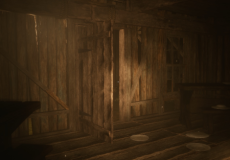
In Crime Detective: Red Flags the player moves between rooms, windows and nearby outdoor areas while observing neighbours at different times of day. Household objects serve as tools for gathering information, whether through sound cues, limited surveillance or small environmental hints. Because the protagonist cannot move freely beyond certain boundaries, the player must rely on creative use of available spaces to track individuals. Suspicious actions appear gradually, encouraging the player to connect clues that initially seem unrelated.
Common activities for the player include:
- Monitoring neighbours through windows or vantage points
- Interacting with items that reveal additional context
- Performing small tasks that provide access to new areas
- Recording observations that point toward specific suspects
- Revisiting locations after time changes to compare behaviour
Progression And Structure
Crime Detective: Red Flags unfolds over a series of short cycles. Each cycle introduces new events that alter the player’s understanding of the neighbourhood. Some characters become more guarded, while others reveal information through routine interactions. The player’s goal is to uncover the truth behind a series of incidents and identify patterns that match earlier signs. Progress depends on returning to previously visited areas at different hours, as many clues only appear under specific conditions.
Interface And Feedback
The interface highlights interactable items, observation prompts and recorded notes. Audio plays an important role: footsteps, distant conversations and sudden movements can signal changes in the environment. Visual prompts indicate when the player discovers a new lead or when a clue contradicts earlier assumptions. Because the protagonist’s range of movement is limited, accurate interpretation of sound and timing becomes essential for progressing through the investigation.
Discuss Crime Detective: Red Flags

