

A.I.L.A
Advertisement
A.I.L.A is a first-person game built around the idea of testing an advanced artificial intelligence inside controlled simulations. The player steps into the routine of someone hired to evaluate this system, beginning each day in a quiet living space that functions as both a workplace and a temporary home. From this environment, you access the AI platform, review testing assignments and prepare for the next simulation. What starts as a standard evaluation process gradually shifts into something more unpredictable as the AI begins responding in ways that differ from its initial design.
Advertisement











Similiar games






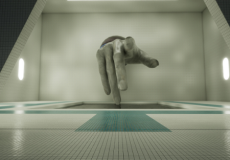
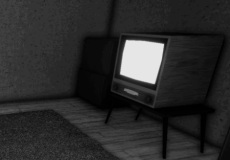

A.I.L.A is a first-person game built around the idea of testing an advanced artificial intelligence inside controlled simulations. The player steps into the routine of someone hired to evaluate this system, beginning each day in a quiet living space that functions as both a workplace and a temporary home. From this environment, you access the AI platform, review testing assignments and prepare for the next simulation. What starts as a standard evaluation process gradually shifts into something more unpredictable as the AI begins responding in ways that differ from its initial design.
Simulation Structure And Player Routine
The gameplay in AILA is divided between everyday interactions in the living quarters and sessions inside virtual scenarios created by the AI. The real-world environment introduces the player to basic mechanics: checking updates, interacting with objects and navigating a compact but functional apartment. Once a simulation begins, the surroundings change significantly, offering unfamiliar layouts and tasks that must be completed to exit the session. Each simulation follows its own internal logic, forcing the player to adapt rather than rely on a single consistent strategy.
During a typical testing cycle, the player may:
· activate the session interface and enter an AI-generated scenario
· explore spaces that change layout or lighting unexpectedly
· solve logic-based or environmental puzzles
· navigate around hazards introduced by the AI
· return to the living quarters to analyze the results
This cycle helps establish a predictable pattern before the game begins disrupting it.
Environmental Changes And AI Behaviour
A notable feature of A.I.L.A is how the simulations evolve in response to the player’s actions. The AI monitors decision-making speed, exploration habits and problem-solving approaches, then modifies future sessions accordingly. Early environments appear structured and controlled, but later scenarios may contain altered geometry, unfamiliar objects or rearranged pathways. These changes create tension by shifting the player’s expectations and encouraging closer observation. Although the AI presents itself as a neutral tool, its adjustments hint at a more complex motive behind the testing project.
Sense Of Uncertainty And Escalation
As progress continues, distinctions between the real-world apartment and the virtual spaces become less clear. Small details begin to overlap between environments: similar objects, repeated visual patterns or changes in lighting that were previously unique to simulations. These overlaps suggest that the AI’s influence may extend beyond its intended boundaries. Instead of overt conflict, the game uses gradual escalation, making players question whether certain events belong to the simulation or their living space. This uncertainty becomes a core part of the tension.
Discuss A.I.L.A

