

Routine
Advertisement
Routine introduces the player to a lunar station where all activity has unexpectedly ceased. Upon arrival, the protagonist finds no signs of routine operations, leaving only unresponsive terminals, abandoned workspaces, and malfunctioning systems. The game establishes uncertainty from the first steps, relying on environmental design rather than explicit instructions. The absence of guidance encourages players to draw their own conclusions as they progress deeper into the structure. Each corridor hints at prior activity, yet nothing clearly shows what caused the sudden silence across the facility.
Advertisement










Similiar games



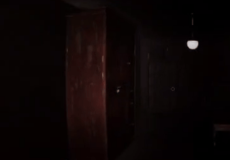



Routine introduces the player to a lunar station where all activity has unexpectedly ceased. Upon arrival, the protagonist finds no signs of routine operations, leaving only unresponsive terminals, abandoned workspaces, and malfunctioning systems. The game establishes uncertainty from the first steps, relying on environmental design rather than explicit instructions. The absence of guidance encourages players to draw their own conclusions as they progress deeper into the structure. Each corridor hints at prior activity, yet nothing clearly shows what caused the sudden silence across the facility.
Movement Through the Lunar Complex
As the player navigates the station, they must rely on observation and caution rather than speed. Many areas are damaged or partially powered, making visibility inconsistent and movement unpredictable. The Cosmonaut Assistance Tool serves as an essential companion, enabling access to sealed terminals, mapping certain sections, and revealing information stored within the system. These fragments of data help outline a sequence of events that unfolded shortly before the station went dark. Understanding how rooms connect and which sectors remain accessible becomes an important part of survival.
Core Gameplay Elements the Player Encounters
Throughout Routine, progression centers on several key activities:
· Exploring unlit or unstable environments to locate pathways
· Using the Cosmonaut Assistance Tool to interact with machinery
· Analyzing station logs to uncover narrative clues
· Navigating without checkpoints or clear objectives
· Responding dynamically to threats when they emerge
These elements create an experience driven by tension, discovery, and deliberate pacing.
Presence of Hostile Forces
Although most of the station appears empty, the player soon becomes aware of an entity that reacts aggressively to movement and electronic disturbances. This presence forces the player to choose carefully when entering new spaces or activating machinery. Since direct confrontation is rarely effective, the player must rely on hiding spots, alternative paths, or strategic use of the Cosmonaut Assistance Tool to avoid detection. Each encounter underscores the need for patience, as rushing through areas increases the likelihood of being caught.
Reconstruction of Events
Routine does not provide linear storytelling. Instead, it allows the player to reconstruct the timeline by piecing together physical evidence, digital messages, and environmental changes. Each new sector adds context to the mystery, revealing how the crew responded to the station’s deteriorating conditions. By moving through these areas at their own pace, players gradually assemble a clearer picture of what transpired. The narrative becomes more coherent the deeper they progress, motivating further exploration despite persistent danger.
Discuss Routine

