

Devil In White
Advertisement
Devil In White is a short psychological horror game built around routine, control, and moral discomfort. The player takes on the role of a doctor working inside a sterile medical facility where every action follows a strict schedule. At first, the environment appears calm and orderly, giving the impression of a place focused on healing. As time passes, however, small inconsistencies begin to appear, and the meaning behind the doctor’s work becomes increasingly unclear. The game relies on slow pacing and repetition to build tension, encouraging the player to question the purpose of their actions.
Advertisement












Similiar games
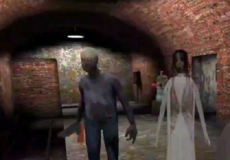







Devil In White is a short psychological horror game built around routine, control, and moral discomfort. The player takes on the role of a doctor working inside a sterile medical facility where every action follows a strict schedule. At first, the environment appears calm and orderly, giving the impression of a place focused on healing. As time passes, however, small inconsistencies begin to appear, and the meaning behind the doctor’s work becomes increasingly unclear. The game relies on slow pacing and repetition to build tension, encouraging the player to question the purpose of their actions.
Daily Routine And Player Role
The core of Devil In White revolves around repeating daily tasks that seem simple on the surface. The player moves through hallways, interacts with patients, and performs assigned duties without resistance. These actions are not mechanically complex, but they carry narrative weight. The routine itself becomes part of the horror, as the player starts to realize that following instructions without question may have consequences. The lack of traditional objectives forces the player to focus on observation and reflection rather than progress or score.
Narrative Development And Player Choice
The story unfolds gradually through interactions and environmental cues rather than direct storytelling. Each decision, even small ones, subtly shapes how the experience feels. The game avoids clear moral guidance, instead presenting situations where the player must decide how much responsibility they accept. During the experience, players typically engage with:
· examining patients and their reactions
· following or questioning medical procedures
· moving through restricted areas
· noticing changes in atmosphere and behavior
· interpreting the meaning behind repeated actions
These elements combine to form a narrative that is felt rather than explained, leaving room for interpretation.
Atmosphere And Psychological Pressure
Devil In White builds tension through silence, repetition, and controlled pacing. Sound design is minimal, allowing footsteps and environmental noise to stand out. Lighting and space are used to create a sense of isolation, making the player feel separated from the outside world. The clean and clinical setting contrasts with the growing sense that something is wrong, increasing psychological discomfort without relying on sudden scares or visual shock.
Structure And Game Length
The game is designed to be completed in a short session, with a linear structure that guides the player from beginning to end. There are no branching paths or alternate endings, but the meaning of events may change depending on how the player interprets them. The compact length helps maintain focus and prevents the experience from losing intensity. Each moment builds toward a conclusion that encourages reflection rather than resolution.
Discuss Devil In White

