

KACIPBARA
Advertisement
Kacipbara is a short narrative horror game that places the player in a quiet rural setting where something clearly does not belong. The story begins in a familiar environment, with the player taking care of everyday tasks on a small farm. At first, everything feels ordinary, but subtle changes soon appear, hinting that the situation is not as simple as it seems. The game relies on atmosphere and curiosity rather than complex mechanics, encouraging the player to explore and pay attention to small details.
Advertisement











Similiar games




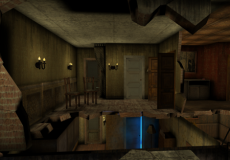





Kacipbara is a short narrative horror game that places the player in a quiet rural setting where something clearly does not belong. The story begins in a familiar environment, with the player taking care of everyday tasks on a small farm. At first, everything feels ordinary, but subtle changes soon appear, hinting that the situation is not as simple as it seems. The game relies on atmosphere and curiosity rather than complex mechanics, encouraging the player to explore and pay attention to small details.
Exploration And Basic Interaction
The gameplay in Kacipbara focuses on movement and interaction within a limited area. The player walks around the farm, examines objects, and triggers events by approaching certain locations. There are no weapons or combat systems, and there is no inventory management. Progression depends entirely on observation and timing. The controls are simple, allowing the player to focus on the environment and notice changes as they happen rather than worrying about mechanics.
Story Progression And Player Decisions
The narrative unfolds gradually through environmental cues rather than direct explanation. What starts as routine farm activity slowly shifts into something more unsettling. The player is never directly told what is happening, but the game provides enough visual and audio hints to suggest a deeper situation. During the playthrough, players usually interact with:
· objects that reveal small story details
· areas that change after certain actions
· events that alter the mood of the environment
· choices that affect how the story concludes
· moments that signal a shift in tone
These interactions guide the player toward one of the possible endings without clearly stating which path is being taken.
Atmosphere And Presentation
Kacipbara uses a low-poly visual style that supports its unsettling tone without relying on realism. Lighting and sound design play an important role in building tension, especially as the environment begins to feel less safe. Silence is used effectively, making even simple noises feel important. The visual simplicity helps keep attention on movement and surroundings, reinforcing the sense that something is wrong even when nothing obvious is happening.
Endings And Replay Value
One of the defining features of Kacipbara is its multiple endings. After completing the game once, players can replay it to uncover an alternative conclusion. Each ending presents a different interpretation of the events, encouraging players to reconsider their actions and choices. The short length of the game makes replaying it feel natural rather than repetitive, allowing players to experience the full narrative without a long time commitment.
Discuss KACIPBARA

