

Twilight Observer
Advertisement
Twilight Observer is a narrative-focused game built around repetition, choice, and information retention. The player is placed inside an enclosed mansion together with several other characters, all of whom are caught in a repeating cycle of events. Each loop begins under the same conditions, but the player’s growing knowledge allows different decisions to be made over time. The game does not rely on action mechanics, instead centering progress on observation, dialogue, and understanding how the cycle functions.
Advertisement










Similiar games








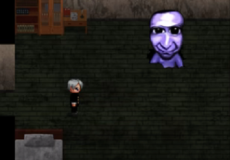
Twilight Observer is a narrative-focused game built around repetition, choice, and information retention. The player is placed inside an enclosed mansion together with several other characters, all of whom are caught in a repeating cycle of events. Each loop begins under the same conditions, but the player’s growing knowledge allows different decisions to be made over time. The game does not rely on action mechanics, instead centering progress on observation, dialogue, and understanding how the cycle functions.
Loop-Based Narrative Design
The narrative structure of Twilight Observer is defined by its time loop. Events reset after each cycle, but the player’s awareness does not. Information learned in one loop can be applied in the next, gradually changing how interactions unfold. The story focuses on uncovering the rules behind the loop, the roles of the characters involved, and the reason the group is trapped. One key character appears to share memory across cycles, creating a narrative anchor that helps link separate loops into a coherent progression.
Decision-Making and Interaction
Player interaction is built around conversation and choice rather than physical movement or combat. Dialogue options influence which scenes occur and what information becomes available in later loops. There is no single correct path forward; instead, progress comes from testing decisions and learning from outcomes. The game encourages careful attention to wording, timing, and character behavior.
Core interaction systems include:
· selecting dialogue options during conversations
· observing character reactions across multiple loops
· retaining knowledge between resets
· identifying inconsistencies in events
· altering choices based on prior outcomes
These systems support a structure where reasoning and memory are the main tools available to the player.
Setting and Spatial Consistency
The mansion serves as a fixed environment that remains largely unchanged between loops. Rooms, corridors, and shared spaces repeat, allowing the player to become familiar with the layout. This consistency makes changes in behavior or event order more noticeable. The environment itself does not evolve significantly, but its narrative meaning shifts as the player gains context. Familiar locations take on new significance when revisited with additional knowledge.
Progression Without Traditional Metrics
Twilight Observer does not use levels, experience points, or numerical progression systems. Advancement is measured entirely through understanding. Unlocking new dialogue paths or triggering alternative events depends on what the player has learned, not on accumulated resources. Failure does not end the game but instead feeds into the learning process, making repetition a required part of completion rather than a setback.
Discuss Twilight Observer

