

Silent Still 3
Advertisement
Silent Still 3 is a first-person psychological horror game built around short, self-contained experiences rather than a traditional storyline. The player is placed inside confined environments that resemble everyday living spaces, but these locations behave in ways that challenge normal perception. The game does not provide explicit goals or instructions, instead allowing the player to move forward through observation and interaction. Progress is tied to presence within the environment rather than to completing tasks or solving explicit objectives.
Advertisement









Similiar games





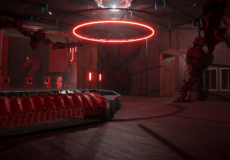

Silent Still 3 is a first-person psychological horror game built around short, self-contained experiences rather than a traditional storyline. The player is placed inside confined environments that resemble everyday living spaces, but these locations behave in ways that challenge normal perception. The game does not provide explicit goals or instructions, instead allowing the player to move forward through observation and interaction. Progress is tied to presence within the environment rather than to completing tasks or solving explicit objectives.
Concept and Narrative Approach
The narrative structure of Silent Still 3 is indirect and fragmented. There is no clear plot presented through dialogue or text. Instead, the game communicates its ideas through spatial changes, repetition, and environmental shifts. Scenes may appear familiar at first, but subtle differences emerge as the player moves or pauses. These changes suggest internal psychological states rather than external events. The lack of direct explanation encourages the player to interpret what is happening based on sequence and context rather than narrative confirmation.
Interaction Model
Player interaction in Silent Still 3 is intentionally limited. Movement and camera control are the primary means of engagement, with the environment responding to player presence rather than explicit commands. There are no enemies to confront and no puzzles that require logical solutions. The experience unfolds through gradual transitions that occur when certain conditions are met, such as standing in a specific area or looking in a particular direction.
Core interaction elements include:
· first-person navigation through enclosed spaces
· environmental triggers activated by movement
· visual changes tied to player position
· sound cues indicating state transitions
· progression without menus or prompts
These elements create a controlled flow where interaction supports atmosphere rather than challenge.
Environment and Audio Design
The environments in Silent Still 3 are designed to feel static yet unstable. Rooms are sparsely detailed, and layouts are simple, which makes changes more noticeable when they occur. Lighting shifts and object placement are used to indicate progression. Audio plays a functional role, using ambient noise and directional sound to draw attention or signal transitions. Music is minimal or absent, allowing environmental sounds to define the experience.
Structure and Duration
Silent Still 3 is presented as a short experience rather than a full-length game. The available version functions as a standalone segment that demonstrates core ideas and mechanics. There are no checkpoints or save systems, and the experience is intended to be completed in one session. The short duration supports replay, as repeated playthroughs may reveal different environmental details or timing-based changes.
Discuss Silent Still 3

