

Burglin’ Gnomes
Advertisement
Burglin’ Gnomes is a stealth-based game where players control small characters navigating environments designed for much larger inhabitants. The core objective is to enter human houses, locate valuable or useful items, and escape without being detected. The contrast between gnome size and household scale defines how players interact with the world. Common objects such as drawers, couches, and shelves become significant terrain features that must be approached carefully.
Advertisement










Similiar games


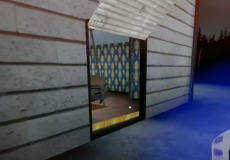




Burglin’ Gnomes is a stealth-based game where players control small characters navigating environments designed for much larger inhabitants. The core objective is to enter human houses, locate valuable or useful items, and escape without being detected. The contrast between gnome size and household scale defines how players interact with the world. Common objects such as drawers, couches, and shelves become significant terrain features that must be approached carefully.
Planning And Entry Strategy
Before entering a house, players must consider how they will move through the interior. Entry points define the initial route, but once inside, paths can branch in multiple directions. Players often need to observe patrol patterns and environmental risks before committing to a course of action. Since exits are limited, planning how to leave is just as important as deciding where to go first. Early mistakes can restrict movement later in the mission.
Object Interaction And Risk
Interacting with objects is central to gameplay. Items vary in size and weight, which affects how easily they can be carried or moved. Some objects can be transported quickly, while others require more effort or even cooperation. Every interaction carries risk, as noise or sudden movement can alert threats. Players must constantly evaluate whether an item is worth the potential danger of retrieving it.
Core Gameplay Elements
Burglin’ Gnomes relies on a set of consistent gameplay mechanics:
· Stealth movement through indoor environments
· Item retrieval with physical limitations
· Detection based on sound and visibility
· Defined entry and exit points per mission
· Optional cooperation for complex tasks
These elements repeat across all missions, creating a familiar structure that rewards learning and adaptation. Progress comes from better execution rather than unlocking new abilities.
Solo Play And Team Coordination
The game supports both solo and cooperative play, each offering a different experience. Solo players must manage all tasks themselves, which increases tension and forces careful pacing. In cooperative sessions, players can divide responsibilities, such as scouting, carrying items, or watching for threats. Coordination allows for more efficient runs but also introduces dependency on timing and communication. Errors by one player can affect the entire team.
Discuss Burglin’ Gnomes

