

Pawn Shop
Advertisement
Pawn Shop is a first-person simulation with horror elements where the player works a night shift in a small shop. The main task is to evaluate items brought by customers and decide whether to accept or reject them. Each decision affects the available budget and progression. The game begins with simple transactions, but gradually introduces unusual situations that change the tone of the experience.
Advertisement











Similiar games
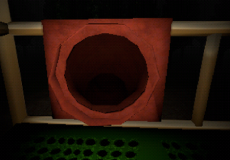
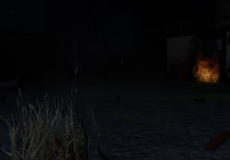

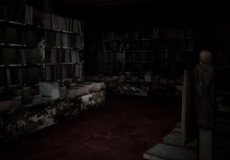
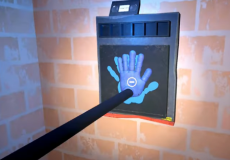



Pawn Shop is a first-person simulation with horror elements where the player works a night shift in a small shop. The main task is to evaluate items brought by customers and decide whether to accept or reject them. Each decision affects the available budget and progression. The game begins with simple transactions, but gradually introduces unusual situations that change the tone of the experience.
Basic Gameplay Loop
In Pawn Shop, players interact with a sequence of customers who arrive with different items. The core mechanic is to inspect objects and determine their value or relevance. The shop has limited money, so incorrect purchases can lead to resource shortages. Most early interactions involve ordinary items such as tools or electronics, allowing players to understand the system before complexity increases.
As the session continues, the game introduces more unpredictable elements. Items may appear suspicious, and customer behavior becomes less consistent. The player must rely on observation and judgment rather than clear instructions.
Decision-Making System
The gameplay is based on evaluating risk and making choices under limited information. Each transaction requires deciding whether an item is worth buying or should be refused. These decisions influence both progression and outcomes.
Core mechanics include:
- analyzing items brought by customers
- managing a limited shop budget
- accepting or rejecting deals
- reacting to unusual or suspicious situations
- continuing shifts after each decision
This structure creates a cycle where every interaction directly impacts the next stage of the game.
Progression and Changes
Pawn Shop gradually shifts from a simple simulator into a more complex experience. While early gameplay focuses on business decisions, later stages introduce narrative elements and unexpected events. The environment may change, and the player is required to adapt to new conditions without prior warning.
The game uses a session-based structure where outcomes depend on accumulated decisions. Incorrect choices can lead to negative consequences, while consistent evaluation improves stability. This approach encourages careful analysis of each situation rather than fast decision-making.
Replayability and Structure
Pawn Shop includes multiple possible outcomes depending on how the player manages transactions and responds to events. Since item sequences and interactions can vary, each session may differ. Players can refine their approach by learning patterns and improving decision accuracy.
The overall design combines simulation mechanics with tension created through uncertainty. The absence of clear guidance requires players to rely on observation and logic. Over time, this results in more efficient decision-making, but variability ensures that each session remains dependent on player choices.
Discuss Pawn Shop

