

Smile Dog
Advertisement
Smile Dog is a short psychological horror game inspired by early internet creepypasta stories. The player receives an email with a simple attachment that appears to be a harmless puzzle, but interaction with it gradually changes the environment. The game is structured around the idea that digital content can influence reality, with the player’s own desktop becoming part of the experience. The session is relatively brief, usually lasting under an hour, but includes multiple endings depending on player actions.
Advertisement












Similiar games






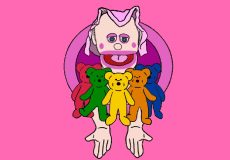


Smile Dog is a short psychological horror game inspired by early internet creepypasta stories. The player receives an email with a simple attachment that appears to be a harmless puzzle, but interaction with it gradually changes the environment. The game is structured around the idea that digital content can influence reality, with the player’s own desktop becoming part of the experience. The session is relatively brief, usually lasting under an hour, but includes multiple endings depending on player actions.
Core Gameplay And Interface Design
The gameplay in Smile Dog is built around interacting with a simulated desktop interface. Instead of moving through a 3D world, players open files, read emails, and observe changes on the screen. The system begins with simple tasks, such as identifying differences in images, but gradually introduces unusual behavior. Elements like wallpapers, icons, and system messages begin to change in ways that affect the overall experience.
Narrative Delivery And Digital Interaction
The story in Smile Dog unfolds through emails and on-screen events rather than traditional cutscenes. Messages start as generic content but become increasingly personal, revealing information that connects to the player’s actions. The narrative relies on indirect storytelling, where meaning is constructed from fragments of communication and visual changes. This approach creates a connection between gameplay and narrative progression.
- Desktop-based gameplay instead of physical exploration
- Email system used for story progression
- Visual changes in interface elements
- Multiple endings based on player interaction
- Short playtime designed for single sessions
Psychological Tension And Player Response
The tension in Smile Dog is created through gradual disruption rather than sudden events. The player observes small inconsistencies that become more noticeable over time. This method encourages attention to detail, as changes in the interface often signal important developments. The game avoids direct confrontation, focusing instead on how the player reacts to evolving conditions.
The design also introduces uncertainty about what is part of the game and what is part of the system. This ambiguity affects how players interpret events and respond to them. Repetition of actions, such as opening files or reading messages, reinforces this effect.
Discuss Smile Dog

