

Banshee
Advertisement
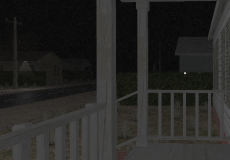
Banshee begins with your character waking up in a damaged, unfamiliar house with no clear memory of how they got there. The environment feels quiet and hollow, yet the atmosphere suggests something dangerous is nearby. As you walk through dim hallways and abandoned rooms, you discover that every exit is blocked by doors sealed with several locks. The only way out is to explore, search for items, and slowly figure out how to unlock each barrier. The setting does not offer comfort—only silence, mystery, and a growing sense that you are not alone. The game gives no map or direction, so every step is a decision made in uncertainty.
Advertisement










Similiar games
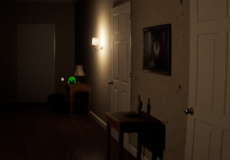




Banshee begins with your character waking up in a damaged, unfamiliar house with no clear memory of how they got there. The environment feels quiet and hollow, yet the atmosphere suggests something dangerous is nearby. As you walk through dim hallways and abandoned rooms, you discover that every exit is blocked by doors sealed with several locks. The only way out is to explore, search for items, and slowly figure out how to unlock each barrier. The setting does not offer comfort—only silence, mystery, and a growing sense that you are not alone. The game gives no map or direction, so every step is a decision made in uncertainty.
The Enemy That Follows
While searching for objects and solving small puzzles, you soon realize that the house is not empty. Banshee is a strange, fairy-like creature that appears without a sound. Her face and movements are not human, and she reacts quickly to any disturbance. If she catches you, the game does not restart entirely—but you’re returned to the starting point, and a full in-game day is lost. Once five days are gone, the game ends. As you keep playing, you notice traps hidden around the house that make noise or distract you at key moments. These traps exist to make your escape harder and to help Banshee find you faster.
Main gameplay elements include:
· Exploring a large, locked house filled with hidden objects
· Picking up and combining items to unlock new paths
· Avoiding detection by Banshee, who moves unpredictably
· Managing limited in-game days before the game ends
· Navigating through a mix of manual search and timed pressure
These features combine to create a game loop that forces the player to think ahead and stay alert.
Exploration With Consequences
Each new attempt to escape gives you better understanding of how the house works. The layout stays the same, but you begin to remember where certain items are hidden, how to solve specific lock combinations, and where Banshee tends to appear. You’re not given new tools or weapons—only knowledge and timing. You start to move faster and with more caution. You remember which floorboards creak, which drawers are empty, and which doors lead to temporary safety. But even with experience, one mistake can cost an entire day. The game creates a routine that grows more tense the longer you play.
Trying to Escape Before Time Runs Out
Banshee is not a long game, but its structure makes every playthrough feel intense. The quiet music, limited light, and minimal sound design make it harder to relax. You don’t know when Banshee will appear or which part of the house she’s in, and that uncertainty forces you to be ready at all times. There are no jump scares or scripted events—only your own choices and how well you handle pressure. Whether you manage to escape or run out of time, each playthrough teaches something new. Banshee may not change much, but the way you deal with her absolutely will.
Discuss Banshee

