

Ben And Ed
Advertisement
Ben And Ed is a third-person platform game where the player controls a zombie character navigating a series of obstacle-based levels. The main objective is to reach the end of each stage while avoiding traps and environmental hazards. The game combines movement mechanics with physics-based interactions, requiring precise timing and control. Progression is linear, with each level increasing in difficulty and complexity.
Advertisement












Similiar games


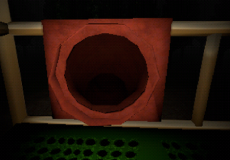






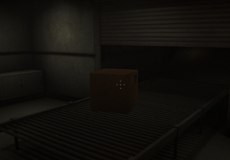
Ben And Ed is a third-person platform game where the player controls a zombie character navigating a series of obstacle-based levels. The main objective is to reach the end of each stage while avoiding traps and environmental hazards. The game combines movement mechanics with physics-based interactions, requiring precise timing and control. Progression is linear, with each level increasing in difficulty and complexity.
Core Movement And Controls
The gameplay in Ben And Ed is centered on movement and survival. Players guide the character through levels filled with obstacles such as spinning blades, spikes, and moving platforms. Controls include running, jumping, and interacting with the environment to overcome barriers.
A unique mechanic is the ability to continue moving even after losing body parts. The character can function with limited mobility, which changes how obstacles are approached. This system adds variation to gameplay and requires adaptation when damage occurs.
Level Design And Challenges
Levels are structured as obstacle courses that test timing and coordination. Each stage introduces new hazards or combinations of existing ones, requiring players to learn patterns and adjust movement accordingly.
Key gameplay elements include:
- navigating obstacle-filled environments
- timing jumps and movement precisely
- adapting to damage and reduced mobility
- avoiding traps such as blades and spikes
- reaching checkpoints or level endpoints
These elements define the progression system.
Hazards And Failure System
The environment in Ben And Ed is designed to challenge the player continuously. Traps are placed in sequences that require quick reactions and careful planning. Contact with hazards can result in losing limbs or being reset to a checkpoint.
Failure is part of the gameplay loop. Players are expected to repeat sections multiple times to learn obstacle patterns and improve performance. The checkpoint system reduces the penalty for mistakes while maintaining difficulty.
Progression And Replayability
The game progresses through a sequence of levels that increase in complexity. New obstacles and layouts require players to refine their skills and adjust strategies. Completion of levels unlocks further stages, maintaining a structured path through the game.
Replayability is supported by the challenge of improving performance. Players can revisit levels to achieve faster completion times or reduce mistakes. The physics-based system ensures that each attempt may vary slightly.
Discuss Ben And Ed

