

Horror Games
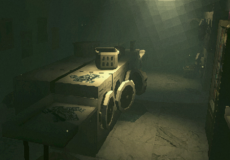

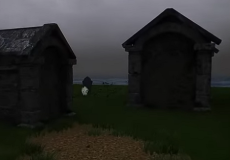
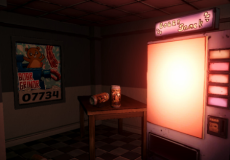
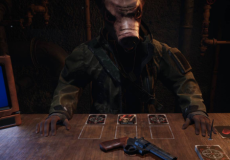
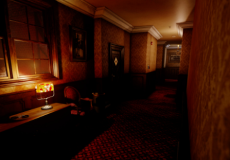


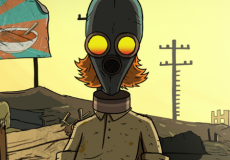
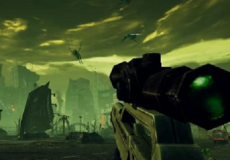


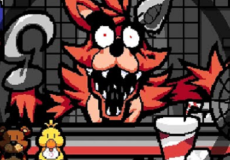

Horror Games represent a category of interactive entertainment designed around tension, uncertainty, and threat-driven mechanics. Titles within this classification typically focus on player survival, environmental storytelling, and psychological engagement. Unlike genres centered on competition or direct progression, Horror Games often rely on atmosphere, pacing, and controlled information delivery. Gameplay structures vary widely, ranging from narrative-focused experiences to systems-driven survival mechanics. The defining element is the presence of fear-oriented design, where player perception and anticipation play a central role.
Core Design Principles
The structural foundation of Horror Games is built on tension management and player vulnerability. Designers frequently limit player capabilities, visibility, or resources to create pressure. Mechanics such as restricted movement, scarcity of supplies, and unpredictable threats are common. These systems influence player decision-making by introducing risk evaluation rather than mechanical mastery alone. Audio cues, environmental layout, and pacing frameworks are critical components that shape player behavior. Fear is generated through interaction patterns rather than solely through visual content.
Gameplay Systems and Mechanics
Horror Games incorporate various mechanics that influence engagement and progression. Common gameplay elements include:
- Resource management systems
- Environmental exploration
- Threat avoidance or confrontation
- Narrative-driven sequences
- Puzzle-solving mechanics
These systems operate together to create tension, requiring players to balance exploration with survival considerations.
Subgenres and Structural Variations
The Horror Games category includes multiple subgenres defined by gameplay emphasis. Survival Horror focuses on resource scarcity and sustained tension. Psychological Horror prioritizes perception, narrative ambiguity, and mental pressure. Action Horror integrates combat-heavy systems with threat-driven pacing. Narrative Horror centers on scripted storytelling and player interpretation. These structural variations demonstrate how fear-oriented design can be applied across different gameplay frameworks without altering the core genre identity.
Player Experience and Engagement Model
Player engagement in Horror Games is shaped by anticipation, uncertainty, and controlled pacing. Unlike genres driven by achievement systems, progression often depends on survival, discovery, or narrative outcomes. The absence of predictable patterns reinforces tension, encouraging situational awareness and cautious decision-making. Replayability may arise from branching narratives, procedural systems, or alternative endings. Horror Games function as an interaction-driven category where mechanics, pacing, and perception collectively define the player experience rather than traditional performance metrics.

