

Multiplayer Games



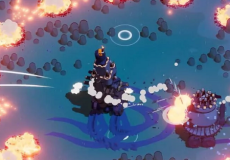


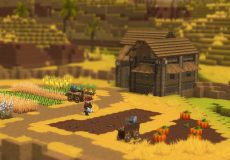



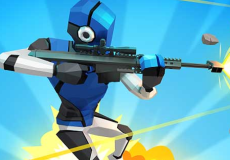

Multiplayer Games represent a category of interactive experiences where multiple participants engage within a shared digital environment. These games allow players to compete, cooperate, or coexist in real time or through asynchronous systems. The defining characteristic is the presence of player-to-player interaction rather than solitary gameplay. Multiplayer Games span numerous genres, including shooters, strategy titles, simulations, sports, and roleplaying experiences. The structure of interaction varies depending on design objectives and technological frameworks.
Interaction Models and Player Connectivity
Multiplayer Games operate through various connectivity systems that determine how players interact. Real-time multiplayer environments allow simultaneous participation, while asynchronous systems enable interaction without requiring players to be online at the same moment. Network architecture plays a central role, supporting communication, synchronization, and data consistency between participants. Interaction models may emphasize direct competition, team cooperation, or large-scale shared spaces. The design framework shapes how players influence one another’s experiences.
Gameplay pacing is frequently influenced by player dynamics. Unlike single-player systems, outcomes depend on the behavior and decisions of other participants. Designers often implement balancing mechanisms to maintain fairness across skill levels. Matchmaking systems, server stability, and latency management are critical technical components affecting overall performance.
Common Structural Elements
Multiplayer Games typically include several recurring systems:
- Player-to-player interaction mechanics
- Communication systems such as chat or voice
- Competitive or cooperative rule frameworks
- Matchmaking or session management systems
- Network synchronization structures
These components collectively define multiplayer functionality.
Gameplay Variations and Formats
The Multiplayer Games category encompasses diverse interaction formats. Competitive multiplayer focuses on ranking systems, performance metrics, and structured matches. Cooperative multiplayer emphasizes shared objectives and team-based coordination. Massively multiplayer environments support large player populations within persistent worlds. Hybrid systems combine competitive and cooperative elements. Each variation reflects distinct design priorities and engagement models.
Engagement and Replayability Dynamics
Player engagement in Multiplayer Games is shaped by variability introduced through human interaction. Sessions rarely follow identical patterns, as player decisions continuously alter outcomes. Replayability emerges naturally from dynamic competition and cooperation. Progression systems may include ranking structures, unlockable content, or persistent statistics. Multiplayer Games function as an interaction-driven category where social dynamics, strategic adaptation, and network systems collectively influence long-term participation and experience continuity.

