

Shooting Games


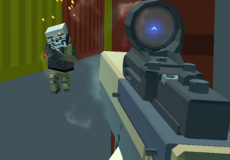
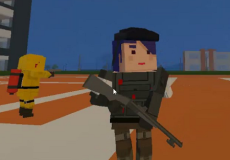
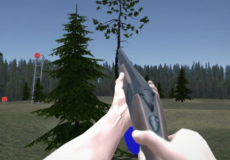

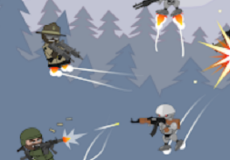

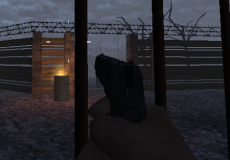

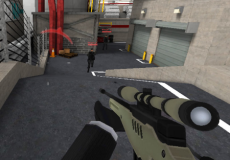
Shooting Games represent a category of games built around mechanics involving ranged weapons, projectile systems, and target engagement. The primary gameplay focus centers on accuracy, reaction timing, positioning, and tactical decision-making. Titles within this classification vary widely in structure, ranging from fast-paced arcade formats to simulation-oriented designs. Shooting Games appear across multiple platforms, including PC, consoles, and mobile devices. The defining element is the use of weapon-based interaction systems that shape player actions and progression.
Core Gameplay Mechanics
The gameplay framework of Shooting Games typically revolves around aiming, firing, and movement systems. Players interact with the environment by engaging targets using various weapon types governed by projectile physics or hit-detection models. Core mechanics often include recoil management, reload cycles, and movement constraints that influence combat efficiency. Success is generally tied to precision, situational awareness, and timing rather than narrative progression alone. Many titles integrate multiplayer systems that emphasize competitive engagement.
Structural Variations And Game Systems
Shooting Games include multiple design approaches depending on pacing and perspective. Common gameplay structures incorporate the following elements:
- Weapon handling and firing mechanics
- Target tracking and hit detection
- Movement and positioning systems
- Resource or ammunition management
- Competitive or cooperative interaction modes
These systems collectively define how players engage with shooting-based mechanics.
Perspectives And Subgenres
The category encompasses several subgenres distinguished by perspective and gameplay emphasis. First-person shooters prioritize immersive viewpoints where players see through the character’s perspective. Third-person shooters focus on spatial awareness and character visibility. Tactical shooters emphasize planning, precision, and slower pacing. Arcade shooters rely on simplified mechanics and faster interaction cycles. Hybrid formats integrate shooting mechanics with other genres such as roleplaying or survival systems.
Shooting Games often differ in pacing models. Some titles focus on rapid engagements requiring quick reflexes, while others emphasize methodical decision-making. Environmental interaction may include destructible elements, cover systems, or terrain advantages. These variations influence player strategies and engagement dynamics.
Player Engagement And Competitive Dynamics
Player engagement in Shooting Games is typically driven by skill development and mechanical mastery. Progression systems may include ranking structures, unlockable weapons, or character customization options. Replayability emerges through match variability, competitive interaction, and strategic adaptation. Multiplayer frameworks frequently shape long-term retention by introducing dynamic player behavior. Shooting Games function as a mechanics-driven genre where precision, reaction timing, and tactical awareness collectively define the player experience.

