

Click To Continue
Advertisement
Click To Continue is a minimalist game built around a single, repeated action that gradually reveals a larger system. The player begins in an empty room with one visible element and no explanation of purpose or rules. Progress is achieved through interaction rather than instruction, and the game relies on the player’s willingness to continue performing the same action to uncover changes. What initially appears static slowly transforms as new elements become accessible.
Advertisement







Similiar games




Minimal Start and Player Orientation
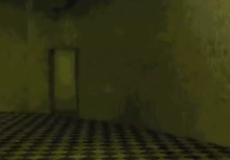
At the beginning of Click To Continue, the game provides no objectives, tutorials, or narrative context. The environment is deliberately limited, drawing full attention to the primary interaction. Each input triggers a small response, and these responses accumulate over time. The lack of immediate feedback encourages observation, as progress is communicated through subtle changes rather than explicit messages. The early phase establishes patience as a core requirement.
Expanding Systems and Interaction Layers
As interaction continues, the environment begins to change. New panels, counters, or interfaces appear, shifting the game from a single action into a system of connected mechanics. These elements introduce structure without altering the basic input method. In the middle of the experience, the player regularly engages with several recurring activities that define the main loop:
- Repeating input to reduce visible counters
- Monitoring unlocked panels for state changes
- Interacting with basic puzzle elements
- Adjusting simple systems that affect progress
- Activating features that reduce manual repetition
These actions work together and replace pure repetition with a more organized process.
Pacing and Mechanical Transition
Click To Continue changes its pacing as systems accumulate. Early interaction is slow and deliberate, while later stages involve managing multiple elements at once. The game does not increase difficulty through reflex challenges. Instead, complexity comes from coordination and awareness of how systems influence each other. The player shifts from direct input toward supervision of processes that continue independently.
Structure Without Traditional Progression
The game avoids standard progression markers such as levels, scores, or skill trees. Advancement is represented through environmental change and system availability. New mechanics are layered onto existing ones rather than replacing them. This approach creates continuity, where earlier actions remain relevant even as new options appear. Progress feels incremental and procedural rather than goal-driven.
Click To Continue functions as an experimental structure built on persistence and observation. It transforms a simple action into a framework for discovery by revealing depth gradually instead of presenting it upfront. The game does not reward speed or efficiency directly, focusing instead on consistency and attention. By limiting initial information and expanding interaction over time, it creates an experience where understanding emerges through continued engagement rather than instruction.
Discuss Click To Continue

