

Dead Plate
Advertisement
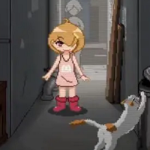
Dead Plate places you in the role of a young server named Rody working in a small upscale restaurant in 1960s France. At first, the job seems simple: manage tables, keep the chef satisfied, and serve the guests to earn your pay. But as the nights progress, the routine begins to crack. Rody notices strange changes in the staff, and the kitchen starts to feel like a place where something darker is brewing. Each shift brings more tension, and the line between service and survival starts to blur.
Advertisement








Similiar games










Dead Plate places you in the role of a young server named Rody working in a small upscale restaurant in 1960s France. At first, the job seems simple: manage tables, keep the chef satisfied, and serve the guests to earn your pay. But as the nights progress, the routine begins to crack. Rody notices strange changes in the staff, and the kitchen starts to feel like a place where something darker is brewing. Each shift brings more tension, and the line between service and survival starts to blur.
Routine That Shifts Into Unease
Every day, players are tasked with managing customers in real time. You greet guests, assign them seats, take orders, and deliver meals—all under time pressure. But as you perform these basic tasks, odd details begin to surface. Some customers react strangely, others don’t speak at all, and kitchen requests start becoming cryptic. There are no jump scares, but the stress comes from the tension built into every seemingly normal interaction. The game quietly pushes you into situations where something always feels slightly wrong.
Key Components That Define Gameplay
Dead Plate mixes point-and-click interaction with elements of visual storytelling. The following systems shape the experience:
· Table management under time pressure
· Inventory control with limited resources
· Story-driven dialogue that changes based on actions
· Multiple endings based on how well you handle each shift
· Mysterious visual clues and audio that evolve over time
These mechanics are functional and work together to support the story’s slow descent into psychological discomfort.
A Story Told Without Loud Alarms
Unlike traditional horror games, Dead Plate never tells you what’s happening outright. There is no narration, no inner voice explaining your thoughts. Instead, it lets the atmosphere carry the weight. The art style shifts as the days pass. Background music grows quieter. Shadows linger longer. And characters behave differently in subtle ways that build unease. The pressure of meeting performance expectations merges with a growing sense of being watched or manipulated. Whether you choose to obey or question the system will determine your path forward.
A Short Game That Stays With You
Though relatively short in playtime, Dead Plate offers layers of replayability. Each decision opens or closes off possibilities, leading to four different endings that reflect Rody’s path. It turns a normal job into something far more surreal. As the days count down, you’re left wondering what’s wrong with the restaurant—and whether Rody was ever meant to leave it.
Discuss Dead Plate

