

Dead Trust
Advertisement
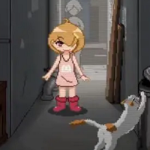
Dead Trust follows a short sequence in which Kevin stays home alone while his parents are away for the night. The game opens with a calm routine, giving the player control inside a quiet house. As time passes, the situation shifts after an unexpected explosion occurs somewhere nearby. This event marks the beginning of a night in which Kevin must react to unusual activity around the property. The demo focuses on small interactions and careful movement rather than complex systems.
Advertisement








Similiar games



Dead Trust follows a short sequence in which Kevin stays home alone while his parents are away for the night. The game opens with a calm routine, giving the player control inside a quiet house. As time passes, the situation shifts after an unexpected explosion occurs somewhere nearby. This event marks the beginning of a night in which Kevin must react to unusual activity around the property. The demo focuses on small interactions and careful movement rather than complex systems.
Gameplay Structure and Player Actions
The player navigates the house using basic movement and interaction controls. Dead Trust does not rely on advanced mechanics; instead, it pushes the player to observe their surroundings and react when needed. The home layout offers only a few areas to explore, which makes every change more noticeable. As the external threat becomes clearer, the player must stay alert to sounds, shadows, and sudden cues that signal danger. The pacing encourages caution while maintaining a straightforward flow.
Core Elements That Shape the Experience
To understand how Dead Trust builds its short scenario, it helps to focus on several main components:
· a small house environment with limited rooms
· simple navigation and interaction controls
· gradual escalation triggered by nearby explosions
· a hidden threat that forces stealth and awareness
· a short runtime designed as a single-session experience
These elements combine to create a contained survival sequence that depends on the player’s ability to read subtle changes in the environment.
Visual Style, Sound Use, and Tension Building
The visual design uses low-resolution textures and narrow lighting to restrict visibility and keep attention on nearby objects. Darkness covers most of the house, and only small light sources reveal parts of the interior. Sound plays a major role, offering clues about movement outside and shifts within the house. The player listens for distant noises, sudden impacts, or changes in ambient sound that may indicate the approach of the threat. This combination of limited vision and targeted audio creates a controlled form of tension.
Dead Trust presents a short survival scenario shaped by timing, sound, and environmental cues. It avoids extended storytelling and focuses on a single night filled with uncertainty. The limited scale of the house and the simple controls support a structure in which the player must stay attentive throughout the session. For those who prefer compact horror experiences that rely on awareness rather than action, the demo offers a clear and direct form of tension. The game demonstrates how minimal interaction can still create a focused survival moment.
Discuss Dead Trust

