

DON’T SLEEP
Advertisement
DON’T SLEEP is a first-person horror game built around the idea of staying conscious inside a limited nighttime environment. The player is placed in a confined interior space, most commonly a bedroom, and must survive a full night without being caught by hidden threats. The game does not rely on combat or complex systems. Instead, it establishes tension through restriction, darkness, and the requirement to remain alert while danger develops gradually around the player.
Advertisement











Similiar games



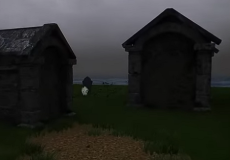


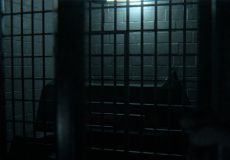

DON’T SLEEP is a first-person horror game built around the idea of staying conscious inside a limited nighttime environment. The player is placed in a confined interior space, most commonly a bedroom, and must survive a full night without being caught by hidden threats. The game does not rely on combat or complex systems. Instead, it establishes tension through restriction, darkness, and the requirement to remain alert while danger develops gradually around the player.
Core Premise
The central premise of DON’T SLEEP is simple: the player must stay awake and avoid unseen dangers until morning. Time progresses continuously, and the environment becomes more hostile as the night goes on. There are no clear narrative explanations provided at the start. The situation is understood through repeated encounters, environmental cues, and the behavior of threats that appear when the player becomes careless. This structure places responsibility on the player to learn patterns rather than follow instructions.
Gameplay Structure
Gameplay is based on movement, positioning, and awareness. The player navigates a small space where light and shadow define safety and risk. Threats do not announce themselves clearly and often appear when the player remains in the wrong place for too long. There are no weapons or tools designed to eliminate danger, only options to avoid it. The experience rewards patience and observation over fast reactions.
Key gameplay components include:
· navigating a confined interior during nighttime
· avoiding hostile entities without direct confrontation
· managing position relative to light and shadow
· reacting to audio and visual warning cues
· surviving until the night cycle ends
These mechanics create a loop where mistakes increase pressure rather than causing immediate failure.
Threat Design
Threats in DON’T SLEEP are designed to be partially obscured and unpredictable. They often emerge from darkness or peripheral vision, forcing the player to rely on sound and timing. The lack of clear visibility increases uncertainty and discourages reckless movement. Instead of chasing the player constantly, threats react to behavior, making awareness a critical part of survival. This design removes the need for traditional enemy encounters.
Environment and Presentation
The environment is intentionally minimal, focusing on a small number of rooms or viewpoints. This limitation increases familiarity, which makes changes in sound, lighting, or object placement more noticeable. Visual presentation avoids complex interfaces, keeping the screen mostly clear. Audio plays a central role, as subtle changes in background noise often signal incoming danger or progression of the night.
Discuss DON’T SLEEP

