

Emily Wants To Play
Advertisement
Emily Wants To Play introduces a delivery worker who arrives at a house expecting a routine drop-off. After stepping inside, he discovers that the exit no longer opens, and the interior feels strangely prepared for someone who never intended to leave. The rooms are arranged in a way that forces him to move deeper into the house, and the first hour of the night becomes a lesson in how the environment reacts to his actions. Lights switch off at random, footsteps echo from empty hallways, and unfamiliar toys appear in places that were clear moments earlier.
Advertisement












Similiar games







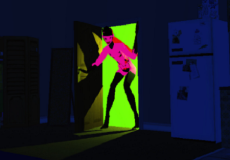

Emily Wants To Play introduces a delivery worker who arrives at a house expecting a routine drop-off. After stepping inside, he discovers that the exit no longer opens, and the interior feels strangely prepared for someone who never intended to leave. The rooms are arranged in a way that forces him to move deeper into the house, and the first hour of the night becomes a lesson in how the environment reacts to his actions. Lights switch off at random, footsteps echo from empty hallways, and unfamiliar toys appear in places that were clear moments earlier.
Core Structure Of The Night
The game divides the experience into hourly segments, each introducing new conditions and characters. As the night progresses, the player begins to understand that Emily and her dolls do not behave in a single predictable pattern. Instead, every hour adds a different rule that must be followed to stay alive. These rules shape movement around the house, determine how long the player can stay in one spot, and influence when it is safe to open a door or enter a room.
Interaction Requirements
During the night, the player must react to several types of encounters. Each one forces a specific action that must be performed correctly:
· moments requiring stillness
· moments requiring constant movement
· moments requiring direct observation
· moments requiring avoidance of eye contact
These conditions appear without warning, and the player has only seconds to identify which rule applies to the approaching figure.
Environmental Clues
While exploring the house, the player encounters notes, drawings, and audio recordings left behind by the previous residents. These fragments outline a gradual decline inside the household and reference Emily’s increasing isolation. Instead of offering a complete story, these clues act as markers that help the player understand why the dolls behave as they do and why certain rooms trigger specific events. The house becomes a map of past decisions that now shape the delivery worker’s survival.
Escalation Toward Morning
As the final hours approach, the pace becomes more demanding. Multiple threats can appear at the same time, forcing the player to manage overlapping rules. A misread signal or a delayed reaction leads to immediate failure and restarts the current hour. This structure keeps the night from becoming predictable and ensures that every attempt requires attention to sound, movement, and timing.
Final Progression
The goal is to reach 6:00 AM and exit the house once the front door unlocks. Emily Wants To Play builds tension through repetition and gradual rule changes rather than through complex environments. Success depends on learning patterns, observing small details, and adapting quickly. Each completed hour gives the player a clearer idea of how the house functions, and reaching morning becomes a test of consistenc
Discuss Emily Wants To Play

