

Five Nights at Frickbear’s 3
Advertisement
Five Nights at Frickbears 3 is a survival horror game that continues the format of managing night shifts in a controlled environment while facing animatronic threats. The player is placed in a monitoring role, responsible for tracking movement, managing systems, and preventing hostile entities from reaching the main room. The structure is divided into nights, each introducing additional complexity and requiring more precise control of available tools. The game builds tension through repetition combined with gradual changes in behavior patterns.
Advertisement










Similiar games
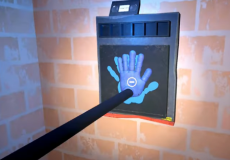

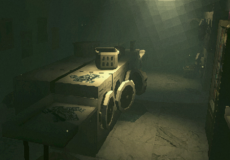
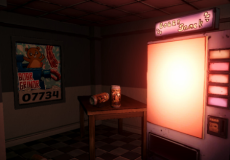


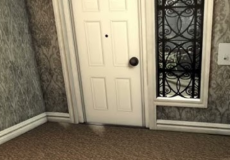
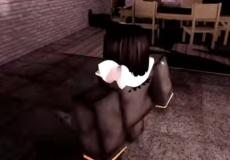

Five Nights at Frickbears 3 is a survival horror game that continues the format of managing night shifts in a controlled environment while facing animatronic threats. The player is placed in a monitoring role, responsible for tracking movement, managing systems, and preventing hostile entities from reaching the main room. The structure is divided into nights, each introducing additional complexity and requiring more precise control of available tools. The game builds tension through repetition combined with gradual changes in behavior patterns.
Systems And Player Responsibilities
The player operates through a set of devices, including cameras, lighting systems, and control panels. These tools are limited, and using them incorrectly can create vulnerabilities. The main objective is to balance resource usage while maintaining awareness of enemy positions.
Unlike purely passive systems, some sequences require direct interaction. Players may need to leave the main room or complete tasks that temporarily reduce visibility. This introduces risk and forces decision-making under pressure.
Enemy Behavior And Mechanics
The animatronics follow different movement rules and attack conditions. Some move predictably, while others react to player actions or system changes. Understanding these patterns is essential for survival.
· Multiple enemy types with unique movement logic
· Interaction between player actions and enemy response
· Use of cameras to track positions
· Limited resources affecting defensive options
· Increasing difficulty with each night
Level Design And Progression
The environment expands compared to earlier versions, including additional rooms and pathways. This creates more points of entry and requires broader monitoring. As nights progress, new mechanics are introduced, altering how players approach defense.
Progression is structured but variable. While the sequence of nights remains fixed, outcomes can differ depending on player performance. Mistakes may lead to immediate failure or delayed consequences in later stages.
Visual And Audio Structure
The visual design uses low lighting and confined spaces to limit visibility. Camera feeds provide partial information, requiring players to interpret movement based on incomplete data. Interface elements are minimal and focused on essential functions.
Audio plays a critical role in awareness. Sounds such as footsteps, mechanical noise, or sudden changes indicate enemy presence. These cues often provide information that is not visible on screen.
Replayability And Learning Curve
Replayability is based on mastering systems and adapting to enemy behavior. Each attempt provides more information about patterns and timing, allowing players to refine their approach.
The learning curve is gradual but cumulative. Success depends on recognizing patterns, managing resources efficiently, and maintaining control under pressure. This structure supports repeated playthroughs without changing the core mechanics.
Discuss Five Nights at Frickbear’s 3

