

Gretel & Hansel Remake
Advertisement
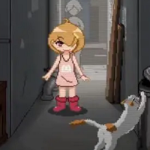
Gretel & Hansel Remake revisits a dark fairy-tale setting through the structure of a classic point-and-click adventure, rebuilt for modern platforms. The story follows two children left alone in a hostile forest, where every location is designed as a closed system filled with risks, objects, and consequences. The remake merges previously separate chapters into a single experience, allowing the narrative to unfold without breaks while maintaining a slow, deliberate pacing focused on observation and interaction rather than speed or combat.
Advertisement











Similiar games




Gretel & Hansel Remake revisits a dark fairy-tale setting through the structure of a classic point-and-click adventure, rebuilt for modern platforms. The story follows two children left alone in a hostile forest, where every location is designed as a closed system filled with risks, objects, and consequences. The remake merges previously separate chapters into a single experience, allowing the narrative to unfold without breaks while maintaining a slow, deliberate pacing focused on observation and interaction rather than speed or combat.
World Structure and Exploration
The forest acts as a continuous environment where progress depends on careful examination of surroundings. Screens are densely packed with visual details, many of which serve functional purposes tied to puzzles or hidden paths. Movement is intentionally limited, encouraging players to stop and test interactions rather than rush forward. Exploration is rarely linear, as returning to earlier locations with new knowledge or items often reveals additional outcomes or solutions that were previously inaccessible.
Mechanics and Player Interaction
Gameplay is built around experimentation and consequence. Many actions do not have immediate feedback, and some only reveal their purpose after repeated attempts or failure. Death is treated as part of the learning process rather than a strict punishment, often unlocking new information or altering the environment. Core interaction systems include:
- environmental object manipulation
- item collection and contextual use
- indirect control of Hansel’s behavior
- cause-and-effect puzzle chains
- alternative paths revealed through failure
These mechanics reinforce the idea that progress comes from understanding the rules of the world rather than following explicit instructions.
Visual Direction and Presentation
The visual style relies on hand-painted artwork presented in layered scenes that create depth without using full 3D environments. Animation is intentionally uneven, giving characters and creatures a slightly unnatural presence that aligns with the unsettling tone of the story. Color usage shifts depending on location, guiding attention while also signaling danger or safety. This approach supports gameplay by embedding visual cues directly into the art instead of relying on interface elements.
Narrative Design and Tone
The narrative avoids direct exposition and instead communicates through environmental storytelling, short character reactions, and repeated patterns. Themes of abandonment, dependence, and control are expressed through gameplay outcomes rather than dialogue. Gretel’s role as the active problem solver contrasts with Hansel’s vulnerability, reinforcing the emotional structure of the story without explicit commentary. The remake preserves this restrained narrative style while extending it across a longer, more cohesive timeline.
Discuss Gretel & Hansel Remake

