

Imposter
Advertisement
Imposter is a multiplayer-focused game built around hidden roles and structured interaction between participants. From the beginning, players are placed into a shared environment where cooperation and suspicion exist at the same time. One or more participants are assigned a concealed role that conflicts with the group’s objective, while others must complete tasks and identify the threat. The experience relies on observation and communication rather than mechanical skill, making outcomes dependent on player behavior.
Advertisement











Similiar games


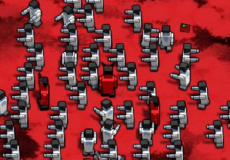






Imposter is a multiplayer-focused game built around hidden roles and structured interaction between participants. From the beginning, players are placed into a shared environment where cooperation and suspicion exist at the same time. One or more participants are assigned a concealed role that conflicts with the group’s objective, while others must complete tasks and identify the threat. The experience relies on observation and communication rather than mechanical skill, making outcomes dependent on player behavior.
Roles And Match Structure
Each match follows a fixed structure that starts with role assignment and ends when a clear win condition is reached. Players are separated into opposing roles with different goals, but identical movement and basic interaction options. This symmetry prevents mechanical advantages and keeps focus on decision-making. Matches are designed to be short, which supports repeated play with changing group dynamics. Information is intentionally limited, requiring players to interpret actions rather than rely on visible indicators.
Tasks And Player Interaction
During active play, participants move freely within the environment and interact with objects linked to objectives. Tasks are simple and repeatable, serving as a way to structure movement and create moments of exposure. The opposing role uses the same space to disrupt progress while avoiding detection. Communication phases allow discussion, voting, and elimination, which resets the balance of information each round.
Core interactions that define most matches include:
· completing assigned tasks across the map
· observing player movement and timing
· reporting suspicious activity
· voting to remove a participant
These elements remain consistent across sessions and shape how players form conclusions.
Progression And Replay Value
Progression in Imposter is not based on character growth or unlockable abilities. Instead, replay value comes from unpredictable player behavior and changing role assignments. Each match creates different social conditions, even when the environment remains the same. This structure allows the game to stay functional without introducing new mechanics or content frequently. Learning comes from experience with player patterns rather than system mastery.
The interface is designed to limit information while maintaining clarity. Task lists, discussion prompts, and voting screens are presented with minimal detail to avoid revealing unintended clues. Visual design supports clear navigation and role concealment, ensuring that no player gains extra insight through the interface alone. Menus outside matches focus on quick matchmaking and basic customization.
Discuss Imposter

