

IT – The Game
Advertisement
IT – The Game is a third-person horror experience focused on exploration and controlled tension rather than fast-paced action. From the opening moments, the player is placed in a confined environment where visibility is limited and movement must be deliberate. The game does not rely on constant threats, instead building pressure through space, sound, and uncertainty. Progress is driven by moving forward and observing surroundings rather than completing explicit objectives shown on screen.
Advertisement











Similiar games

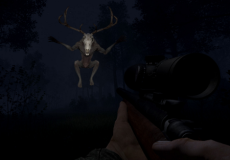




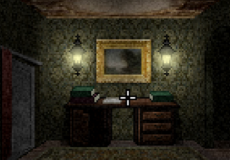
IT – The Game is a third-person horror experience focused on exploration and controlled tension rather than fast-paced action. From the opening moments, the player is placed in a confined environment where visibility is limited and movement must be deliberate. The game does not rely on constant threats, instead building pressure through space, sound, and uncertainty. Progress is driven by moving forward and observing surroundings rather than completing explicit objectives shown on screen.
Environment And Player Perspective
The game is presented from a third-person perspective, positioning the camera behind the character as they navigate narrow passages and underground locations. This viewpoint limits full awareness of what lies ahead, reinforcing caution during movement. Environments are designed as enclosed spaces with minimal variation in lighting, which forces the player to pay attention to shapes, distance, and sound cues. Navigation is linear, but the lack of clear visual markers makes each section feel isolated and uncertain.
Interaction And Gameplay Structure
Interaction is intentionally simple and limited. The player does not manage inventories or complex systems, and there are no combat mechanics. Instead, gameplay revolves around movement, observation, and reacting to environmental triggers. The absence of constant interaction elements shifts focus toward pacing and anticipation. Encounters are rare and brief, increasing their impact when they occur rather than overwhelming the player with repeated threats.
During progression, the player repeatedly engages with several core actions:
- moving through confined corridors and tunnels
- observing environmental changes
- responding to sudden visual or audio triggers
- maintaining orientation in low-visibility areas
These actions form the entire gameplay loop without introducing additional mechanics.
Sound Design And Tension Control
Sound plays a central role in shaping player behavior. Ambient noise, footsteps, and distant sounds provide information about the space ahead while also increasing uncertainty. Silence is used deliberately, creating pauses that encourage hesitation. Audio cues do not always signal immediate danger, which prevents predictable responses and keeps attention focused on surroundings rather than reactions.
The interface is minimal and avoids visual overlays. There are no constant indicators or guidance systems, allowing the environment itself to communicate direction and risk. This design choice reinforces immersion and prevents distraction during exploration. Visual feedback is delivered through environmental change rather than user interface elements.
Discuss IT – The Game

