

Lights Out
Advertisement
Lights Out is a short indie horror game that places the player in an ordinary apartment where darkness hides something unknown. The experience begins simply, with the character returning home, but the routine quickly shifts into tension when the lights flicker and shadows conceal movement. The design focuses on what is implied rather than what is directly shown, making the act of turning lights on and off the central mechanic.
Advertisement











Similiar games



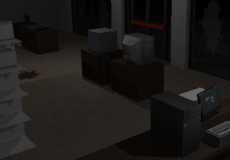




Lights Out is a short indie horror game that places the player in an ordinary apartment where darkness hides something unknown. The experience begins simply, with the character returning home, but the routine quickly shifts into tension when the lights flicker and shadows conceal movement. The design focuses on what is implied rather than what is directly shown, making the act of turning lights on and off the central mechanic.
Setting And Mood
The game uses a PSX-style presentation to create a retro, unsettling mood. Low-resolution textures and dim lighting contribute to the atmosphere, where the environment feels familiar yet distorted. The apartment itself becomes part of the tension, as each room hides the possibility of danger whenever the lights go out. By combining nostalgia with horror elements, the setting ensures that the player’s imagination fills in much of the fear.
Core Gameplay Features
The mechanics of Lights Out are straightforward, but their simplicity builds suspense. Movement is limited, and most of the challenge comes from paying close attention to surroundings and recognizing subtle hints.
Main features include:
- A focus on light as both a tool and a limitation
- Short, concentrated playtime
- Environmental storytelling without dialogue
- Minimal interface for immersion
- A constant presence that only reveals itself in darkness
This structure ensures that every action feels significant, even when the mechanics appear basic.
Strategy And Survival
Progress depends on observation and patience. Lights Out rewards players who move carefully, listen closely, and avoid rushing. Since the threat only appears under specific conditions, learning its patterns and recognizing signs in the environment are key. Each attempt becomes a lesson, giving players a better chance at surviving longer during future runs. The game’s design encourages steady awareness rather than frantic movement.
Replayability And Lasting Effect
Although short, Lights Out has replay value through its details and atmosphere. Returning to the game allows players to notice environmental clues or design choices missed before. The minimalistic presentation means that fear is created in the player’s mind, making the experience resonate beyond a single session. Lights Out succeeds by showing how simple mechanics and careful pacing can create a psychological impact in a small package.
Discuss Lights Out

