

Little Nightmares 3
Advertisement
Little Nightmares 3 presents a new setting called the Spiral — a distorted place that exists between dreams and reality. Two children, Low and Alone, wake up in this strange world without memory of how they arrived. Their goal is simple: move forward and escape. Yet every step brings new obstacles and hidden dangers. The environment itself becomes part of the puzzle, shifting shapes and responding to their movements. Players must stay alert and read the world as much as they play it.
Advertisement












Similiar games

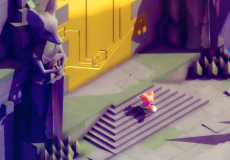








Little Nightmares 3 presents a new setting called the Spiral — a distorted place that exists between dreams and reality. Two children, Low and Alone, wake up in this strange world without memory of how they arrived. Their goal is simple: move forward and escape. Yet every step brings new obstacles and hidden dangers. The environment itself becomes part of the puzzle, shifting shapes and responding to their movements. Players must stay alert and read the world as much as they play it.
Teamwork and survival
The gameplay depends on cooperation. Low uses a bow and arrow for precision tasks, while Alone wields a wrench for physical interaction. Their tools define how puzzles unfold and how the world reacts to their actions. Movement is mostly side-scrolling, but the camera shifts slightly to add depth. Timing and coordination matter more than speed. When separated, players must switch control or trust the companion’s AI.
Essential actions throughout the game include:
· observing the environment for hidden paths
· distracting enemies to pass unnoticed
· solving light or pressure-based puzzles
· combining tools for progress
· managing short chase sequences
The flow alternates between calm exploration and tense escape, keeping constant pressure.
Layers of storytelling
The story in Little Nightmares 3 unfolds without words. Every object and sound carries meaning. Players see fragments of the past through echoes, shadows, or wall drawings. These small clues reveal what happened to the children before entering the Spiral. The silence leaves space for interpretation, letting the player decide what is real and what is dream. This indirect storytelling keeps the game immersive and personal.
Design and tension
Each chapter features a unique visual theme and mechanical idea. A fairground filled with broken lights, an abandoned workshop, or a tower that never ends — every space pushes the same message: escape has a cost. The design uses repetition and contrast to make players uncomfortable but curious. Even when no enemy is visible, the background sound or camera movement hints at danger. This tension replaces traditional horror with quiet unease.
Little Nightmares 3 continues the series’ approach to fear through silence and space. It adds cooperative play, giving each puzzle two perspectives and more possibilities. The result is a slow, deliberate experience focused on coordination and observation rather than combat. The game invites players to think, react, and piece together a story that is never fully explained. It remains faithful to its roots while finding new ways to keep the darkness alive.
Discuss Little Nightmares 3

