

Misery
Advertisement
Misery presents a world shaped by unstable zones, unpredictable territorial shifts, and ongoing environmental pressure. Each session places the player in an area where movement must be calculated and resources managed with attention to timing. Locations open and close depending on the current phase of the cycle, forcing players to stay mobile. The map is divided into sectors, each containing different challenges, routes, and supply potential. Navigating these sectors becomes the central task of the game’s structure.
Advertisement











Similiar games

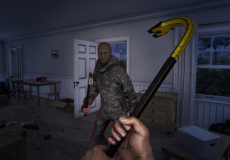



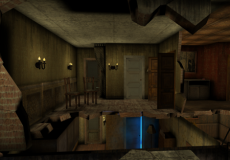



Misery presents a world shaped by unstable zones, unpredictable territorial shifts, and ongoing environmental pressure. Each session places the player in an area where movement must be calculated and resources managed with attention to timing. Locations open and close depending on the current phase of the cycle, forcing players to stay mobile. The map is divided into sectors, each containing different challenges, routes, and supply potential. Navigating these sectors becomes the central task of the game’s structure.
Gameplay Foundations
The systems in Misery focus on survival, exploration, and steady progression through changing conditions. The player begins with limited tools and must gather equipment while avoiding hazards that grow stronger during world shifts. Each run requires adjusting the plan to match the current state of the environment. The core tasks can be summarized in the following categories:
· Scanning nearby structures for materials and consumables
· Monitoring zone warnings that signal incoming changes
· Managing health, weight limits, and movement speed
· Handling encounters with AI opponents or environmental traps
· Reaching safe extraction points before the cycle resets
These tasks appear in different combinations each run, resulting in varied pacing and decision-making.
Progression And Sector Movement
Progression in Misery is tied to how effectively the player reads the environment. Some sectors contain high-value items but require careful timing due to emissions or increased enemy density. Other zones offer temporary safety and serve as locations for reorganizing inventory. The game avoids fixed routes, which means players build their own path through the sectors based on current threats. Over time, players learn how the cycle behaves, how to evaluate risk, and how to plan movement between safe areas.
Solo And Team Approaches
Misery supports both independent play and coordinated group sessions. Solo players must handle searching, navigation, and defense alone, which places greater emphasis on route efficiency. In group play, team members can distribute responsibilities and cover different areas of the sector. Cooperation helps manage unexpected changes, such as blocked paths or shifts in hazard intensity. Regardless of mode, awareness of the process cycle remains essential, as it affects visibility, enemy behavior, and overall mobility.
Discuss Misery

