

My Voice Zoo
Advertisement
My Voice Zoo is a simulation experience that builds its core systems around player-generated sound. Instead of managing a zoo through predefined animations and effects, the game connects real voice input to animal behavior. Every sound recorded through a microphone becomes part of the zoo’s daily activity, shaping how animals behave and how the environment feels over time.
Advertisement










Similiar games

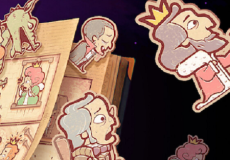


My Voice Zoo is a simulation experience that builds its core systems around player-generated sound. Instead of managing a zoo through predefined animations and effects, the game connects real voice input to animal behavior. Every sound recorded through a microphone becomes part of the zoo’s daily activity, shaping how animals behave and how the environment feels over time.
Voice As Gameplay Input
The defining feature of the game is the direct use of voice as a control element. When a new animal is added, the player records a sound that replaces traditional animal audio. These recordings are replayed during normal gameplay, meaning that spoken words, noises, or tones all become functional parts of the simulation. The game does not judge or score recordings, allowing complete freedom in how sounds are created and used.
Zoo Management And Spatial Planning
Alongside voice interaction, the game includes a straightforward management structure. Players place animals into enclosures, organize space efficiently, and unlock additional species as progress continues. Each animal contributes to overall income, and placement affects how frequently animals activate their sounds. As the zoo grows, managing space becomes more important, encouraging players to rethink layouts rather than expand without planning.
During normal play, players often focus on actions such as:
· recording new sounds for animals
· assigning audio to different species
· arranging enclosures within the zoo
· unlocking and placing new animals
· adjusting layouts to improve efficiency
Idle Mechanics And Ongoing Activity
My Voice Zoo uses idle progression to keep the zoo active even when the player is not interacting. Animals automatically trigger their assigned sounds, which contributes to resource generation. This allows progress to continue passively and supports short, repeated play sessions. Players can return at any time to make changes without disrupting long-term development.
Interface And Ease Of Use
The interface is designed to minimize complexity. Recording tools, placement controls, and upgrade options are accessible through simple menus. There are no penalties for experimentation, and changes can be undone easily. This design encourages players to focus on creativity rather than optimization or strict efficiency.
Discuss My Voice Zoo

