

One Halloween Night
Advertisement
One Halloween Night is an interactive short game centered on a quiet evening that turns into something far from ordinary. The story unfolds in a small suburban home where the player waits for trick-or-treaters. What begins as a typical Halloween night soon becomes a test of instinct and decision-making. The design focuses on tension created by routine actions — opening the door, answering a knock, deciding whether to speak or stay silent. These small moments shape the experience and guide how the story reaches its end.
Advertisement






Similiar games

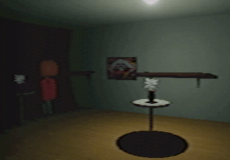


One Halloween Night is an interactive short game centered on a quiet evening that turns into something far from ordinary. The story unfolds in a small suburban home where the player waits for trick-or-treaters. What begins as a typical Halloween night soon becomes a test of instinct and decision-making. The design focuses on tension created by routine actions — opening the door, answering a knock, deciding whether to speak or stay silent. These small moments shape the experience and guide how the story reaches its end.
The Story and Environment
You play as a person spending Halloween alone at home. Everything feels familiar until the first unexpected visitor arrives. The game limits your space to a few rooms, emphasizing how confinement changes your perception of safety. The atmosphere grows uneasy as each knock feels heavier than the last. Through dialogue and observation, you learn that something is not right outside your door. The story uses simple interactions to raise questions about trust, curiosity, and how people react when their comfort is disturbed.
Choices and Progress
Gameplay in One Halloween Night depends on how you handle uncertainty. Each action can bring safety or danger, and even silence can become a decision. Players must watch and listen closely for clues before reacting. The key mechanics include:
· Opening or ignoring the door when someone knocks.
· Selecting dialogue responses that change the visitor’s attitude.
· Exploring limited spaces to find hints about what is happening.
These interactions are brief but meaningful, encouraging players to replay and uncover alternative scenes. The minimal environment keeps attention on decisions rather than exploration, creating a focus on awareness instead of movement.
Meaning and Tone
Beneath the simple setup, the game studies human reactions to isolation and fear. The door represents a barrier between what is safe and what is unknown. Every sound, every shadow challenges your confidence in familiar surroundings. It also highlights how quickly routine behaviour — like answering the door — can become uncertain when context changes. The story avoids horror clichés and instead relies on anticipation and timing to create impact. Each choice reflects survival instinct and the balance between curiosity and caution.
One Halloween Night offers a compact but thoughtful take on interactive storytelling. By turning a normal evening into a tense encounter, it shows how ordinary situations can carry deeper meaning when seen through fear and doubt. The player’s decisions define both the narrative and their understanding of what danger really is. Short, quiet, and contained, the game invites reflection long after the final door closes.
Discuss One Halloween Night

