

Photomaly
Advertisement
Photomaly is a first-person simulation game built around operating a small photo studio that once belonged to the protagonist’s father. The player takes over daily responsibilities without detailed guidance, learning procedures through repetition and observation. Tasks are grounded in routine work such as handling customers, preparing equipment, and completing photo orders. The environment is limited to the studio space, which becomes the main stage for both mechanical progression and narrative development. The game establishes its structure through workdays that follow a consistent rhythm while gradually introducing changes.
Advertisement











Similiar games






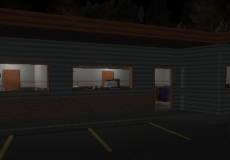
Photomaly is a first-person simulation game built around operating a small photo studio that once belonged to the protagonist’s father. The player takes over daily responsibilities without detailed guidance, learning procedures through repetition and observation. Tasks are grounded in routine work such as handling customers, preparing equipment, and completing photo orders. The environment is limited to the studio space, which becomes the main stage for both mechanical progression and narrative development. The game establishes its structure through workdays that follow a consistent rhythm while gradually introducing changes.
Work Process and Structure
The main structure of Photomaly is based on completing photography-related tasks during each work session. Customers arrive with specific requests that must be fulfilled according to given conditions. The player must manage time, resources, and accuracy to maintain operations. Income earned from completed orders is used to restock materials and improve studio functionality. There are no external locations to explore, and progress depends entirely on how efficiently the studio is managed. This approach keeps attention focused on process rather than movement or exploration.
Player Actions and Systems
Interaction in Photomaly combines manual tasks with light management elements. The player performs actions directly through first-person controls, moving between tools and workstations inside the studio. While tasks appear straightforward at first, additional systems are introduced as workdays progress.
Core actions include:
- photographing customers using studio equipment
- developing film through multi-step procedures
- printing photographs based on order requirements
- managing supplies and available funds
- unlocking equipment upgrades through progression
These systems operate together, requiring attention to order details and correct sequencing of actions.
Narrative Integration
Narrative elements in Photomaly are integrated into the work routine rather than delivered through direct storytelling. Changes in customer behavior, subtle environmental shifts, and irregular events interrupt the normal workflow. The game does not clearly explain these occurrences, allowing the player to notice patterns over time. Story information is implied through repetition and disruption rather than explicit dialogue. This design links narrative progression to continued participation in daily tasks.
Presentation and Interface
The visual presentation uses a low-detail, retro-inspired style that supports clarity of interaction. Objects and tools are easy to identify, and the interface remains minimal throughout the experience. Audio cues are limited and functional, supporting task completion and signaling changes in the environment. There are no complex menus, and most interactions occur directly within the game space.
Discuss Photomaly

