

Rainbow Gate
Advertisement
Rainbow Gate places the player inside an abandoned amusement park that has been sealed off for years after unexplained events forced its closure. You assume the role of someone entering the site unofficially, motivated by curiosity or personal investigation. The game unfolds slowly, guiding players from one section of the park to another as they uncover information about the staff, the attractions and the malfunctioning animatronics. The amusement park itself becomes the central character: a large, empty structure filled with outdated equipment, dim corridors and forgotten maintenance areas that hint at what once happened here.
Advertisement











Similiar games




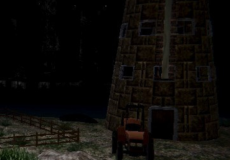



Rainbow Gate places the player inside an abandoned amusement park that has been sealed off for years after unexplained events forced its closure. You assume the role of someone entering the site unofficially, motivated by curiosity or personal investigation. The game unfolds slowly, guiding players from one section of the park to another as they uncover information about the staff, the attractions and the malfunctioning animatronics. The amusement park itself becomes the central character: a large, empty structure filled with outdated equipment, dim corridors and forgotten maintenance areas that hint at what once happened here.
Progression Through Park Zones
In Rainbow Gate each section of the park is designed around a specific attraction, forming a sequence of themed zones. Navigation is grounded in first-person movement, with simple controls used to examine objects, open doors or activate power systems. Progress depends on studying environments and noticing elements that connect one area to the next. Because the game provides no direct guidance, players must rely on environmental clues to understand where to go. This method of progression creates a natural sense of tension, as each new zone may hold unexpected challenges or reveal more about the park’s gradual decline.
During exploration, players often follow a recurring loop:
· enter a themed ride area or backstage control room
· examine props, machinery and scattered documents
· activate switches or repair minor power systems
· avoid patrolling animatronics that respond to sound or motion
· unlock the route leading to the next section of the park
This structured loop keeps the experience focused on observation rather than fast-paced action.
Animatronics And Threat Avoidance
One of the main sources of tension in Rainbow Gate is the presence of animatronics that continue to function long after the park has closed. Their movement is mechanical and unpredictable, and the player has no means of direct confrontation. Instead, the game encourages quiet movement, hiding behind objects or timing actions to avoid detection. These encounters reinforce the idea that the park is unsafe, turning once-celebrated attractions into hazardous zones. The unpredictability of animatronic behavior keeps players cautious even in familiar routes.
Visual And Audio Design
Rainbow Gate uses its audiovisual elements to emphasize the abandoned nature of the park. Lighting is intentionally inconsistent, replacing bright amusement colors with muted tones and shadowed corners. Audio plays a significant role: old ride mechanisms emit low hums, metal structures groan, and distant clanking echoes through empty halls. These small details create a lingering sense of unease, reminding players that the environment is active in subtle ways. Visual storytelling also appears through broken signage, damaged machinery and scattered maintenance logs that hint at the park’s earlier state.
Discuss Rainbow Gate

