

REANIMAL
Advertisement
Reanimal is a survival horror game designed around movement, stealth, and environmental problem-solving. Players control two sibling characters who progress through a sequence of interconnected environments. The gameplay structure follows a guided progression model where navigation and interaction define advancement. Instead of focusing on combat systems, the mechanics prioritize positioning, awareness, and contextual actions. Each area functions as a self-contained challenge that contributes to overall progression.
Advertisement









Similiar games
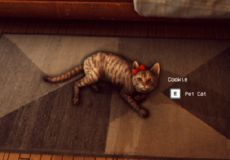


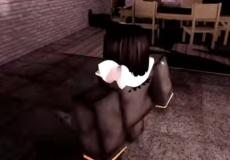

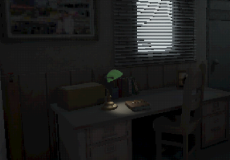
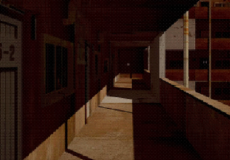
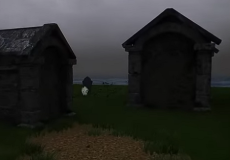
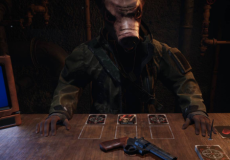
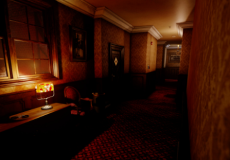
Reanimal is a survival horror game designed around movement, stealth, and environmental problem-solving. Players control two sibling characters who progress through a sequence of interconnected environments. The gameplay structure follows a guided progression model where navigation and interaction define advancement. Instead of focusing on combat systems, the mechanics prioritize positioning, awareness, and contextual actions. Each area functions as a self-contained challenge that contributes to overall progression.
Movement And Environmental Navigation
Navigation plays a central role in Reanimal. Players move through confined spaces, open traversal sections, and vertically structured locations. Movement mechanics emphasize timing and spatial understanding. Obstacles, hazards, and environmental constraints shape player decisions. Traversal sequences often require climbing, precise positioning, and careful route selection. The layout of each environment functions as a guidance system, directing progression without heavy reliance on interface indicators.
Key navigation elements include:
· Movement through structured spaces
· Vertical traversal and climbing
· Obstacle and hazard management
· Contextual movement interactions
· Cooperative navigation segments
These systems form the foundation of gameplay flow.
Stealth And Threat Avoidance
Threat interaction is primarily handled through stealth mechanics. Encounters encourage avoidance strategies rather than direct confrontation. Players observe enemy patterns, manage visibility, and use environmental cover. Movement speed, positioning, and timing directly influence success. Threats act as dynamic obstacles that modify navigation paths and pacing. The stealth system reinforces situational awareness and controlled decision-making.
Instead of introducing complex combat mechanics, Reanimal maintains consistent interaction rules. This design keeps focus on movement and environment-based strategy.
Puzzle And Interaction Design
Puzzle mechanics are integrated directly into exploration and traversal. Players manipulate objects, activate mechanisms, and interpret spatial relationships to advance. Challenges are presented as contextual tasks embedded within the environment. Puzzle-solving often requires observation and coordination between characters. These sequences regulate pacing by creating transitions between navigation and stealth encounters.
Gameplay Identity And Structure
The gameplay identity of Reanimal centers on traversal, stealth, and environmental interaction. The core loop cycles through navigation challenges, threat avoidance, and puzzle-based progression. By limiting combat complexity, the design emphasizes clarity, pacing, and situational awareness. The experience is defined by structured environments and context-driven mechanics.
Discuss REANIMAL

