

Roadside Research
Advertisement
Roadside Research is a cooperative simulation game structured around managing a gas station environment while interacting with layered system mechanics. The gameplay places players in a first-person setting where daily operational tasks form the foundation of progression. Rather than focusing on scripted missions or linear storytelling, the experience develops through repeated cycles of maintenance, service, and strategic decision-making. The design integrates routine management activities with dynamic environmental responses.
Advertisement












Similiar games






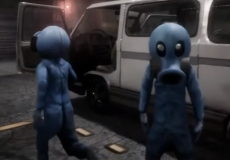
Roadside Research is a cooperative simulation game structured around managing a gas station environment while interacting with layered system mechanics. The gameplay places players in a first-person setting where daily operational tasks form the foundation of progression. Rather than focusing on scripted missions or linear storytelling, the experience develops through repeated cycles of maintenance, service, and strategic decision-making. The design integrates routine management activities with dynamic environmental responses.
Core Gameplay Loop And Responsibilities
The primary gameplay loop revolves around performing standard gas station duties. Players handle tasks such as stocking inventory, refueling vehicles, cleaning areas, and serving customers. Each completed action contributes to resource accumulation, which supports expansion and upgrades. Task efficiency and prioritization directly influence operational stability. As customer traffic increases, players must manage workflow organization to maintain consistent performance. The mechanics emphasize timing, movement, and situational awareness.
Environmental Systems And Behavioral Mechanics
Roadside Research introduces systems that react to player behavior. Certain actions influence environmental variables, creating consequences that affect pacing and task execution. Players must monitor these responses to maintain balance within the simulation. The environment functions as an interactive system where object placement, timing, and frequency of actions produce different outcomes.
Core gameplay components include:
· Task-based resource generation
· Object interaction mechanics
· Environmental response systems
· Operational efficiency management
· Cooperative role distribution
These systems collectively define how players experience progression.
Progression in Roadside Research is governed by upgrade systems rather than narrative milestones. Players invest earned resources into station improvements, unlocking new equipment, layout changes, and efficiency tools. Strategic choices determine how quickly operational capabilities evolve. Upgrades modify workflow dynamics and expand interaction possibilities. This structure supports incremental development without enforcing rigid advancement paths.
Cooperative Play And Replayability Structure
Roadside Research supports both individual sessions and cooperative gameplay. In multiplayer modes, participants coordinate tasks, divide responsibilities, and adapt to system reactions together. Replayability emerges from variability in strategies, environmental responses, and upgrade decisions. Each session functions as an independent simulation cycle influenced by player behavior. The design prioritizes coordination, resource management, and adaptive planning within a dynamic operational framework.
Discuss Roadside Research

