

RogueBall
Advertisement
Rogueball operates as a turn-based football strategy game built around tactical decision-making and run-oriented progression. The gameplay framework removes continuous player control, replacing it with structured action selection. Each match is defined by discrete turns where positioning, probability, and resource allocation influence outcomes. Rather than focusing on mechanical execution, the design centers on evaluating scenarios and anticipating system responses. Success relies on understanding how individual decisions accumulate over time. The structure encourages repeated sessions where players refine strategies and adapt to evolving conditions.
Advertisement











Similiar games





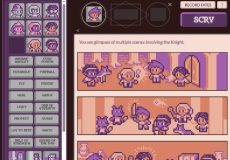


Rogueball operates as a turn-based football strategy game built around tactical decision-making and run-oriented progression. The gameplay framework removes continuous player control, replacing it with structured action selection. Each match is defined by discrete turns where positioning, probability, and resource allocation influence outcomes. Rather than focusing on mechanical execution, the design centers on evaluating scenarios and anticipating system responses. Success relies on understanding how individual decisions accumulate over time. The structure encourages repeated sessions where players refine strategies and adapt to evolving conditions.
Tactical Match Structure
Matches in Rogueball unfold through a sequence of calculated moves. During each turn, players select actions that modify field control, ball movement, or defensive positioning. Because actions are limited, prioritization becomes essential. Decisions must account for both immediate advantages and potential counterplays. Spatial relationships between players, zones, and objectives shape tactical possibilities. The absence of real-time pressure shifts emphasis toward analysis and planning. Match flow is governed by rule-based mechanics that determine movement resolution and interaction outcomes.
Systems and Strategic Components
Several systems define how matches evolve and how players influence progression:
· turn-based action economy
· field positioning mechanics
· probability-driven success calculations
· momentum or advantage variables
· progression through match outcomes
· team configuration adjustments
· modifier or perk integration
These mechanics collectively create dynamic match scenarios. Player choices directly impact system behavior and strategic opportunities.
Progression Model and Replay Dynamics
Rogueball incorporates a run-based progression structure where defeat resets short-term progress while preserving long-term development. Players accumulate resources used to unlock upgrades, adjust team attributes, or modify strategic variables. Each run functions as an experimental cycle, allowing refinement of tactical approaches. Difficulty scaling emerges through increased system constraints, stronger opponents, and more complex positional challenges. Because progression is iterative, players continuously optimize decisions rather than advance through fixed stages.
Discuss RogueBall

