

Shutter Story
Advertisement
Shutter Story is a narrative-driven horror game that centers on the examination of photographs and video recordings connected to a family history. The player assists a character who suspects that unusual events are linked to visual material collected over many years. What begins as routine image review gradually becomes a structured investigation, where small details suggest patterns that cannot be explained through ordinary causes. The game alternates between analytical work and exploration, using both to advance the overall narrative.
Advertisement










Similiar games

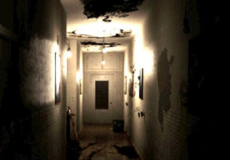
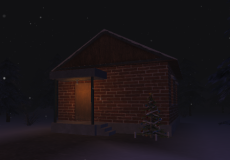






Shutter Story is a narrative-driven horror game that centers on the examination of photographs and video recordings connected to a family history. The player assists a character who suspects that unusual events are linked to visual material collected over many years. What begins as routine image review gradually becomes a structured investigation, where small details suggest patterns that cannot be explained through ordinary causes. The game alternates between analytical work and exploration, using both to advance the overall narrative.
Visual Evidence and Investigation Process
A central part of Shutter Story is the process of analyzing visual media. Players are given access to tools that allow them to adjust and inspect images in detail, searching for inconsistencies or hidden elements. These findings are not automatically interpreted by the game and instead require player judgment. Each discovered detail contributes to a broader understanding of what is happening and why the images are important. The investigation progresses through careful review rather than fast-paced interaction.
Core Gameplay Systems
The structure of Shutter Story is built around several interconnected systems that define how the player uncovers information:
· Image and video inspection using adjustable analysis tools
· Identification and categorization of visual anomalies
· First-person exploration of interior environments
· Evidence tracking that influences story progression
· Triggered events based on investigative outcomes
Together, these systems create a loop where analysis leads to exploration, and exploration provides new context for further analysis.
Exploration and Environmental Interaction
Between investigation segments, the player enters explorable areas tied to the visual material being studied. These locations are presented from a first-person perspective and are designed to reflect the history behind the images. Objects, rooms, and layout changes may correspond directly to previously discovered details. The environment does not function as an open space but rather as a controlled area where movement and interaction are guided by narrative progression.
Narrative Development and Player Influence
The story in Shutter Story unfolds through the player’s interpretation of evidence rather than explicit explanations. How the player classifies and prioritizes findings can affect which scenes are revealed and how events are presented. The game does not rely on traditional branching dialogue but instead uses investigation results to shape the sequence of events. This approach allows the narrative to develop gradually, with meaning emerging from the accumulation of visual clues.
Discuss Shutter Story

