

Side Hustle
Advertisement
Side Hustle places the player inside a small carpet store where routine tasks quickly turn into something more complicated. At the start, the shop looks ordinary: shelves lined with rolled rugs, a counter with basic tools, and a quiet street outside. The goal appears simple — open the store, tidy up, and wait for customers. But as the player moves through the space, small irregularities begin to pull attention. The familiar setting shifts in mood, and the shop becomes a place where everyday work hides unexpected tension.
Advertisement










Similiar games






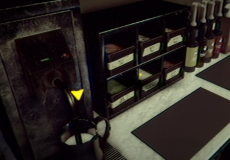
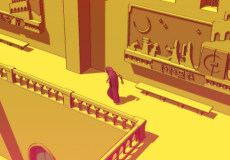

Side Hustle places the player inside a small carpet store where routine tasks quickly turn into something more complicated. At the start, the shop looks ordinary: shelves lined with rolled rugs, a counter with basic tools, and a quiet street outside. The goal appears simple — open the store, tidy up, and wait for customers. But as the player moves through the space, small irregularities begin to pull attention. The familiar setting shifts in mood, and the shop becomes a place where everyday work hides unexpected tension.
Beginning of the Workday
In the early minutes, Side Hustle introduces its mechanics through simple actions. You sweep the floor, adjust inventory, and prepare displays. The limited environment encourages close observation, and the routine seems manageable. Yet the stillness inside the shop begins to feel unusual. A light flickers for a moment, or a carpet appears slightly out of place, even though you just arranged it. These small inconsistencies do not interrupt the tasks but subtly change the tone. The player begins to question whether the shop is behaving normally.
Disturbances and Strange Behaviors
As the shift continues, Side Hustle adds more unpredictable elements. Tasks that once felt straightforward now lead to unexpected reactions. The store, once a stable workplace, becomes a contained space where ordinary actions trigger uncertainty. Nothing directly threatens the player, but the environment resists familiar patterns and forces reconsideration of what is real.
Throughout the experience, players may encounter:
· changes in object placement after leaving and re-entering a room,
· visitors whose behavior does not align with their appearance,
· sounds that echo without a clear source,
· lighting that shifts at irregular moments,
· attempts to leave the shop that do not respond as expected.
These moments build a quiet tension that grows from subtle to unavoidable.
Themes and Interpretation
Side Hustle uses the carpet shop as a metaphor for stability under pressure. The protagonist tries to maintain a normal work routine while the environment challenges that sense of order. The game explores how quickly routine can break down when familiar surroundings shift in small but persistent ways. Instead of explicit threats, Side Hustle relies on the psychological impact of unpredictability, turning a simple job into a reflection of doubt and perception.
As the day ends, the player is left with unresolved questions about the shop’s behavior. The narrative avoids clear answers, allowing the player to interpret whether the strangeness originates from external forces or internal stress. Side Hustle succeeds by transforming a small, everyday setting into a compact experience built on uncertainty, showing how easily normal life can bend when routines fail to hold their shape.
Discuss Side Hustle

