

Taffy Tales
Advertisement
Taffy Tales is a narrative-based game focused on exploration, dialogue, and gradual story development. The player controls a single protagonist who moves through a small town environment and interacts with a recurring set of characters. There are no combat systems or time-based challenges. Progress depends on understanding the narrative context and recognizing when new interactions become available. The game encourages steady attention to conversations and environmental changes rather than mechanical mastery.
Advertisement











Similiar games






World Design and Location Access
The game world is divided into several distinct locations that unlock as the story advances. Each area is tied to specific characters and narrative events, giving every location a clear function within the overall structure. Movement between locations is simple, but meaningful, as new story elements often appear in familiar places. Revisiting locations is an essential part of progression, since previously inaccessible interactions may become available after certain story conditions are met.
Dialogue System and Story Flow
Dialogue is the primary driver of progression in Taffy Tales. Conversations often present multiple response options, and the choices made can influence future scenes and character reactions. The game does not rely on a traditional quest system, so players must pay attention to dialogue details and implied objectives. Narrative flow is shaped by accumulated decisions rather than a fixed sequence of events, allowing the story to unfold at a controlled pace.
Player Actions and Gameplay Loop
In the middle of the game, the player’s experience is defined by a consistent set of narrative-focused actions. These actions form the core gameplay loop and are repeated throughout the story:
- Speaking with characters to unlock new dialogue options
- Completing story-related tasks tied to specific locations
- Revisiting areas after narrative changes occur
- Making dialogue choices that affect future interactions
These activities require awareness of timing and story state, rather than mechanical skill.
Progression Through Narrative States
Taffy Tales does not use levels, experience points, or numerical attributes. Progression is represented by completed scenes, unlocked locations, and evolving character relationships. Player decisions influence which events become accessible and how characters respond over time. This structure supports multiple playthroughs, as different choices can lead to different narrative paths without changing the core gameplay systems.
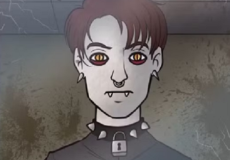
The visual design of Taffy Tales supports readability and narrative clarity. Characters are clearly distinguished, and environments are designed to highlight interactive elements naturally. The interface remains minimal, focusing on movement and dialogue without unnecessary overlays. Visual cues subtly indicate when new interactions are available, reducing reliance on explicit instructions.
Discuss Taffy Tales

