

The Condition
Advertisement
The Condition begins with relocation. You move into a small house where you plan to stay for three months. The house is old, its layout uneven, its spaces unfamiliar. The first few days are quiet, almost routine. You unpack, explore, and try to settle into a rhythm. But subtle inconsistencies begin to appear—doors slightly open when they should be closed, faint movements at the edges of vision, objects that seem to shift position when left unattended. The ordinary becomes uncertain, and the sense of routine begins to erode.
Advertisement











Similiar games

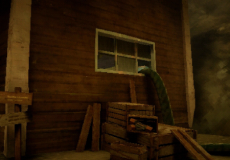
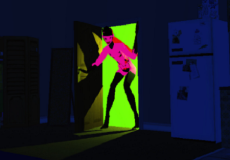



The Condition begins with relocation. You move into a small house where you plan to stay for three months. The house is old, its layout uneven, its spaces unfamiliar. The first few days are quiet, almost routine. You unpack, explore, and try to settle into a rhythm. But subtle inconsistencies begin to appear—doors slightly open when they should be closed, faint movements at the edges of vision, objects that seem to shift position when left unattended. The ordinary becomes uncertain, and the sense of routine begins to erode.
The Unfolding Pattern
Each day introduces new irregularities. Sounds from empty rooms, lights that fail without cause, and a sense that someone—or something—shares the space with you. The game does not provide direct explanations. Instead, it lets unease build through repetition and observation. You are told there is one door in the house that must never be opened. The instruction is clear but unexplained, leaving you to decide whether to obey or test it. Your perception becomes your main tool, and the act of paying attention turns into a challenge.
The Core Structure
The Condition operates on a cycle of exploration, discovery, and reaction that defines its experience:
· Examine each room daily for new signs of change.
· Collect objects or notes that suggest patterns in the disturbance.
· Track differences between nights to identify what shifts over time.
· Decide whether to follow warnings or confront the unknown.
· Endure the three-month stay or end it early by choice.
This structure creates tension between observation and impulse. The game measures how curiosity interacts with restraint, making inaction as meaningful as action.
The Point of Collapse
As weeks pass, the environment reacts more aggressively. Shadows move independently of their sources. Sound grows distorted, sometimes echoing words you cannot understand. The forbidden door becomes the focus of every thought, its surface showing signs of disturbance—as if something on the other side has begun to notice you. The pressure increases until every decision feels final. Whether to leave, to confront, or to endure becomes the player’s defining choice. The game never punishes disobedience directly, but every action leads to a shift in perception that cannot be reversed.
The Last Night
The Condition ends where it began—in the same house, unchanged in structure but transformed in meaning. What lies behind the door is left uncertain, perhaps because its answer depends on the player’s decision to open it or not. The title suggests a rule rather than an illness: a condition placed upon the inhabitant, not the space itself. When the stay concludes, you leave with the same body but a different mind, carrying the unresolved knowledge that some doors remain closed not by force, but by understanding.
Discuss The Condition

