

Advertisement
The Great Outdoors is a mobile game where advancement is entirely dependent on physical movement in real life. The player starts in a small, undeveloped settlement and takes the role of an assistant working to restore it. Steps recorded through a phone or compatible device act as the main currency for traveling across the map, repairing structures, and unlocking new locations. Instead of relying on timers or random events, the game builds its entire progress system on the player’s own walking or running activity. Every step taken outside the game contributes directly to growth within it.
Advertisement











Similiar games


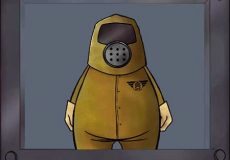
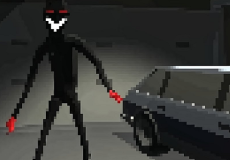



The Great Outdoors is a mobile game where advancement is entirely dependent on physical movement in real life. The player starts in a small, undeveloped settlement and takes the role of an assistant working to restore it. Steps recorded through a phone or compatible device act as the main currency for traveling across the map, repairing structures, and unlocking new locations. Instead of relying on timers or random events, the game builds its entire progress system on the player’s own walking or running activity. Every step taken outside the game contributes directly to growth within it.
Movement as the main resource
The game tracks real-world steps and converts them into actions within the virtual environment. A certain number of steps is required to reach different areas, complete repairs, and gather materials. The settlement begins with limited resources, and the player must decide which objectives to address first. Because each action consumes steps, movement must be planned with care. Early stages allow steady progress with smaller step counts, while later stages require more consistent activity to meet higher demands.
Strategic planning and pacing
Players have flexibility in how they use their collected steps. Some choose to explore new zones quickly, gaining access to different resources and challenges, while others prefer to fully develop one area before moving on. This choice affects both the short-term and long-term development of the settlement. The game rewards steady activity, meaning regular walking can lead to more efficient progress over time. Careful step management becomes an important skill for those aiming to unlock all available areas without unnecessary delays.
Key features
· Progression tied entirely to real-world walking or running
· Resource gathering and building upgrades for settlement growth
· Multiple zones with distinct goals and materials
· Player-controlled pacing through step allocation
· Free-to-play access with optional purchases outside the main flow
Community and ongoing play
The player community often discusses how to optimize step usage, share resource collection routes, and determine the best order for unlocking areas. Without mandatory advertisements or paywalls, the game allows each person to set their own pace and focus on personal objectives. This approach keeps the connection between real-world movement and in-game advancement intact, creating a consistent loop of activity and reward. Over weeks and months, The Great Outdoors encourages both continued play and regular physical activity, blending real-life routines with structured virtual progress.
Discuss

