

The Sushi House
Advertisement
The Sushi House places the player inside a small restaurant where routine tasks gradually reveal an unusual atmosphere behind the scenes. The experience begins with simple responsibilities such as preparing dishes, keeping the workspace in order and serving customers. As the days progress, the familiar environment becomes less predictable, and new details begin to challenge the sense of normalcy. The game uses first-person interaction to guide players through a story that unfolds primarily through daily work.
Advertisement












Similiar games



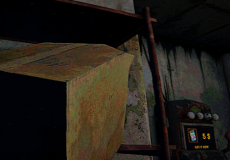


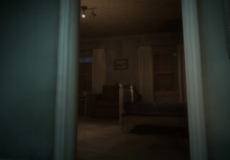



The Sushi House places the player inside a small restaurant where routine tasks gradually reveal an unusual atmosphere behind the scenes. The experience begins with simple responsibilities such as preparing dishes, keeping the workspace in order and serving customers. As the days progress, the familiar environment becomes less predictable, and new details begin to challenge the sense of normalcy. The game uses first-person interaction to guide players through a story that unfolds primarily through daily work.
Daily Structure and Training
In The Sushi House players start their first shift under the supervision of a colleague who explains the workflow. Tasks include assembling sushi orders, cleaning specific areas and monitoring basic restaurant functions. The early stages emphasize repetition to build familiarity with the setting. However, small irregularities appear over time, creating a sense of uncertainty without disrupting the core gameplay. Dialogue with coworkers and subtle environmental changes play an important role in marking story progression.
Throughout the experience, players interact with a set of recurring systems:
· Preparing sushi according to step-based instructions.
· Cleaning parts of the restaurant at designated times.
· Speaking with staff members during short dialogue scenes.
· Inspecting objects that become relevant as the story advances.
· Completing shifts that transition the narrative between days.
These systems structure both work routines and story development.
Environment and Atmosphere
The restaurant layout includes a kitchen, a counter, storage areas and small back rooms that open as the story moves forward. Lighting, sound cues and item placement shift subtly between days, encouraging players to observe the surroundings carefully. Some objects appear or disappear depending on previous interactions, adding variation to repeated tasks. The game uses these environmental adjustments to guide the player toward discoveries rather than relying on explicit narrative instruction.
Story Progression Through Routine
The Sushi House uses daily work as the central method for revealing its plot. With each new shift, the player notices more inconsistencies—changes in staff behavior, misplaced objects or unfamiliar sounds. None of these elements break the routine directly, but they influence how the player interprets the space. The story does not rely on large events; instead, it develops through gradual clues that accumulate slowly over time.
Complete Experience and Tone
The game offers a short playtime, focusing on immersion rather than complexity. Headphones are recommended, as many cues rely on subtle audio signals that support the atmosphere. While the restaurant setting remains grounded, the narrative makes clear that it is entirely fictional. By blending routine tasks with progressive discovery, The Sushi House presents a contained experience centered on observation, interaction and the quiet tension that builds across each workday.
Discuss The Sushi House

