

TheoTown
Advertisement
Hurricane Outbreak places the player in a simulated environment affected by a large-scale natural disaster. From the first moments, attention is directed toward managing disruption rather than pursuing traditional win conditions. The experience focuses on reacting to evolving situations, where planning and prioritization determine overall progress. The player is expected to assess conditions, choose responses, and observe how those decisions influence the surrounding area over time.
Advertisement










Similiar games
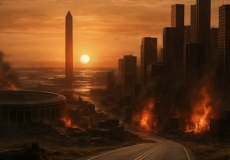

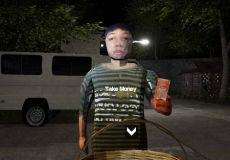






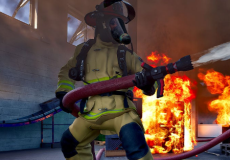
Hurricane Outbreak places the player in a simulated environment affected by a large-scale natural disaster. From the first moments, attention is directed toward managing disruption rather than pursuing traditional win conditions. The experience focuses on reacting to evolving situations, where planning and prioritization determine overall progress. The player is expected to assess conditions, choose responses, and observe how those decisions influence the surrounding area over time.
Core Gameplay And Objectives
The gameplay structure is built around scenario-based objectives that must be completed within changing conditions. Each scenario presents a limited set of resources and a series of problems linked to infrastructure damage and public safety. Actions are selected through contextual options, keeping interaction structured and deliberate. Instead of fast-paced control, the game emphasizes evaluation and sequencing, encouraging players to address urgent issues first while preparing for later consequences.
Systems And Decision-Making
As scenarios unfold, multiple systems interact to shape outcomes. Environmental factors shift during play, introducing new challenges that require adjustments in strategy. Resource availability directly affects which actions can be taken, and poor allocation can limit options in later stages. The game avoids complex numerical models, instead relying on clear indicators that show cause and effect. Core interactions that define most scenarios include:
· assigning resources to affected locations
· repairing or stabilizing damaged infrastructure
· responding to secondary events triggered by earlier choices
· balancing immediate needs against long-term stability
These systems remain consistent across scenarios, allowing players to refine their approach through repetition.
Progression And Scenario Design
Progression in Hurricane Outbreak is tied to the completion of individual scenarios rather than character growth. Successfully resolving one situation unlocks access to new areas with expanded scope and tighter constraints. Difficulty increases by layering challenges together, such as simultaneous emergencies or reduced preparation windows, instead of altering the fundamental mechanics. This design rewards understanding of systems rather than mastery of controls.
The interface is designed to present information clearly under pressure. Status panels display current conditions, available actions, and potential outcomes. Visual markers draw attention to critical areas without overwhelming the screen. Menu navigation remains consistent, helping players move efficiently between planning and execution phases.
Discuss TheoTown

