

TNAF
Advertisement
TNAF is a horror survival game that places the player inside an abandoned entertainment facility once filled with animatronic mascots. The story follows a night guard assigned to monitor the building after years of closure, only to realize that the machines within are no longer dormant. The goal is to survive each shift by controlling limited systems, watching camera feeds, and managing power while avoiding the attention of malfunctioning animatronics. Every choice affects how long the player can endure before the inevitable system failure or encounter occurs.
Advertisement









Similiar games
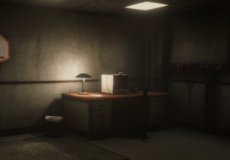



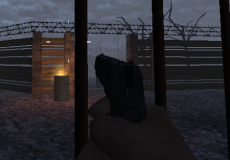
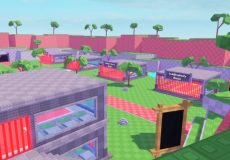
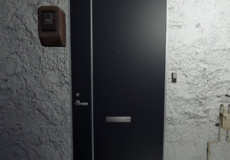
TNAF is a horror survival game that places the player inside an abandoned entertainment facility once filled with animatronic mascots. The story follows a night guard assigned to monitor the building after years of closure, only to realize that the machines within are no longer dormant. The goal is to survive each shift by controlling limited systems, watching camera feeds, and managing power while avoiding the attention of malfunctioning animatronics. Every choice affects how long the player can endure before the inevitable system failure or encounter occurs.
Gameplay And Core Systems
The foundation of TNAF lies in observation and reaction. The player sits in a confined control room with access to security cameras, door locks, and lights. Each system consumes power, which is limited throughout the night. The challenge is to maintain visibility without depleting energy reserves too early. Movement sounds and visual distortions serve as warnings that danger is approaching. As the night progresses, devices malfunction more frequently, and the player must balance between fixing errors and staying safe from roaming animatronics.
Strategy And Player Tasks
Success in TNAF depends on discipline and awareness rather than speed. The player must plan system usage, listen carefully to the environment, and avoid unnecessary actions that waste power. Common responsibilities during a shift include:
· Tracking animatronic movement through security cameras
· Managing door and light power to control access points
· Resetting systems that fail due to electrical surges
· Listening for mechanical sounds to detect proximity
· Maintaining calm when visual and audio distortions increase
Each of these tasks builds tension by forcing decisions with imperfect information. There are no guaranteed safe moments; survival depends entirely on timing and focus.
Difficulty And Progression
Each night in TNAF introduces new variables that alter patterns and force adaptation. Animatronics become faster, power drains quicker, and malfunctions occur unpredictably. Visual cues grow less reliable as interference increases, pushing the player to rely more on sound and instinct. Progress is marked by endurance — surviving one night leads to the next, each one testing patience and reaction time. The learning process is built on failure, encouraging players to recognize patterns and refine their control strategies.
Discuss TNAF

