

Tunic
Advertisement
Tunic is an action-adventure game centered on exploration and gradual discovery. The player controls a fox who wakes up near ancient ruins with no guidance. From that point, progress depends on learning how areas connect, locating useful items, and understanding symbols found throughout the world. Instead of relying on direct explanations, the game encourages the player to observe surroundings carefully and uncover how different mechanics work through repeated interaction.
Advertisement











Similiar games


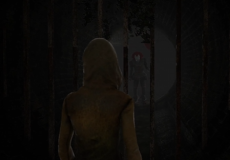






Tunic is an action-adventure game centered on exploration and gradual discovery. The player controls a fox who wakes up near ancient ruins with no guidance. From that point, progress depends on learning how areas connect, locating useful items, and understanding symbols found throughout the world. Instead of relying on direct explanations, the game encourages the player to observe surroundings carefully and uncover how different mechanics work through repeated interaction.
World Structure
The world in Tunic consists of regions linked by locked doors, narrow paths, hidden ladders, and shifting elevations. Many routes are not visible at first glance due to the isometric perspective, so players often find alternative ways into areas by examining corners, shadows, or camera angles. Combat and movement rely on stamina, which limits rolling and blocking. Finding new equipment expands the player’s ability to explore, allowing them to traverse parts of the world that were previously unreachable.
Gameplay Activities
Throughout the journey, players engage in multiple recurring activities that define the game’s structure:
· Defeating enemies using timed attacks, rolls, and defensive tools
· Collecting pages of a manual that reveal diagrams, controls, and hidden rules
· Opening chests that contain money, consumables, weapons, or ability upgrades
· Activating devices connected to doors, shortcuts, or regional progress
· Navigating locations where environmental puzzles determine access to new zones
These elements work together to form a consistent gameplay loop that blends action with exploration.
Role Of The Manual
The manual in Tunic is an essential part of progression. It functions as a source of information, but much of its content is presented through drawings, symbols, and diagrams rather than text. Many pages explain how certain items or mechanisms function, while others reveal hidden routes that are not obvious in the environment. Because the manual is incomplete at the start, collecting pages becomes a major objective, offering new insights that help the player interpret unexplained mechanics or solve navigation problems.
Progress And Completion
As exploration continues, the player gains equipment that opens paths leading to key objectives. Regions previously visited become accessible in new ways, creating opportunities to uncover shortcuts and secrets. Tunic relies on the player’s ability to connect clues found in the environment and in the manual. By the final stages, a clear route through the world forms as essential items, abilities, and collected knowledge align. The game’s structure emphasizes learning through exploration and using newly gained understanding to advance through its interconnected areas.
Discuss Tunic

