

We Gotta Go
Advertisement
We Gotta Go is a cooperative horror game that places players inside a confined interior location with a single shared objective. The session begins without extended setup, and players are expected to move immediately while assessing their surroundings. The game uses a first-person view and limits external guidance, requiring teams to rely on observation and communication. Each run is self-contained, with success or failure determined by how efficiently the group moves through the environment under increasing pressure.
Advertisement









Similiar games

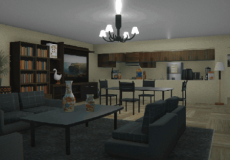
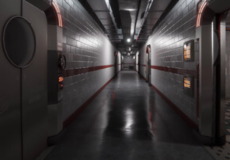
We Gotta Go is a cooperative horror game that places players inside a confined interior location with a single shared objective. The session begins without extended setup, and players are expected to move immediately while assessing their surroundings. The game uses a first-person view and limits external guidance, requiring teams to rely on observation and communication. Each run is self-contained, with success or failure determined by how efficiently the group moves through the environment under increasing pressure.
Spatial Structure And Movement
The playable space is organized as a network of rooms and corridors that does not remain consistent between sessions. Some routes are direct, while others introduce delays through locked doors, blocked passages, or indirect paths. Players must decide whether to search for alternative routes or continue forward with limited information. Movement is intentionally restricted by layout design, forcing players to stay aware of both their position and the location of teammates at all times.
Systems That Affect Progress
Several core systems operate simultaneously and influence how players approach each run. These systems interact continuously and shape moment-to-moment decisions.
· a shared condition that limits available time
· low visibility across most areas
· items with temporary or situational effects
· physical obstacles that require cooperation
· environmental threats that disrupt movement
Because these mechanics are always active, progress depends on coordination rather than individual action. Teams that fail to align their decisions often lose time and access to safer routes.
Cooperative Dependency And Communication
We Gotta Go does not assign formal roles, but cooperation is enforced through design. Certain interactions require more than one player, and splitting up often leads to confusion or missed opportunities. Audio cues and limited visual feedback make it difficult to operate independently. Players naturally adopt situational responsibilities based on position and available tools, but these roles change frequently during a session.
Replay Structure And Adaptation
The game is structured around repeated attempts rather than long-term progression. Each session introduces variation through layout changes and unpredictable events. Players cannot rely on memorized paths and must instead adapt to new configurations. Improvement comes from better communication, faster decision-making, and understanding how systems interact rather than from mechanical upgrades.
Discuss We Gotta Go

